
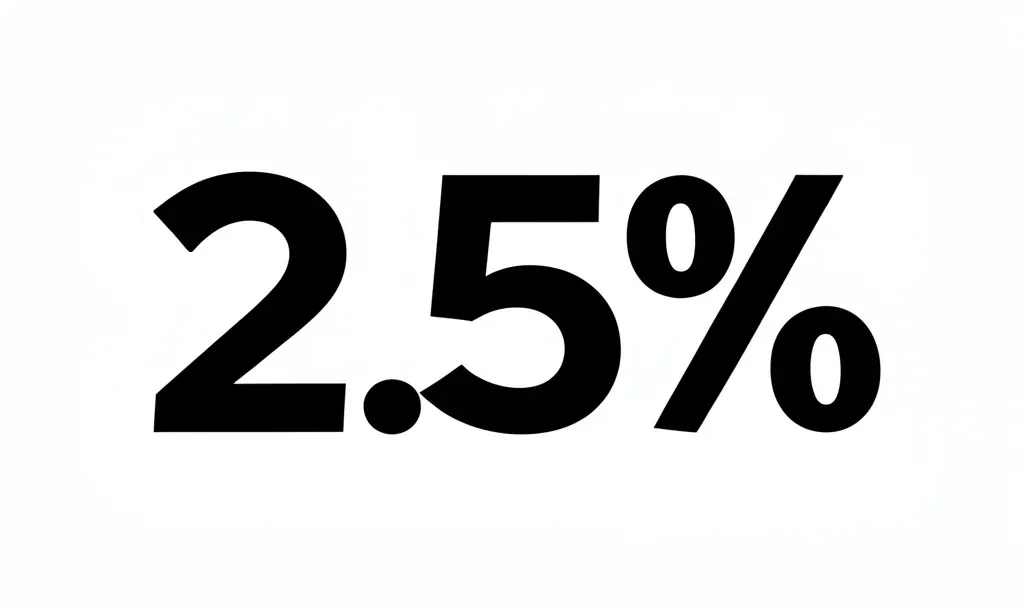
2.5% deposits could put first-time buyers back in the market
1 October 2026
·
Liz Barclay
Share:
New homes scheme could give Britain's small builders a lifeline
A first-time buyer could soon need just £5,750 to put down a deposit on a £230,000 new-build home. The Government's new Your First Home scheme promises deposits as low as 2.5%, backed by an equity loan of up to 20%, in an attempt to get buyers buying and builders building again. The big housebuilders are already celebrating, but the real test is whether Britain's thousands of small builders, developers, tradespeople and subcontractors get their share of the revival – or whether another government housing scheme ends up overwhelmingly benefiting the industry's giants.
NEW 2.5% DEPOSIT SCHEME COULD JOLT THE HOUSING MARKET
House builders are gleeful about Government plans to reinvent a Help‑to‑Buy‑style equity loans scheme for first time buyers called Your First Home. It’s to be aimed at kick‑starting England’s struggling new‑build market. The proposal, due to be fully unveiled at the 28 October Budget, would allow eligible first‑time buyers to buy a new‑build home with a deposit as low as 2.5%, backed by a government equity loan of up to 20%.
For small and micro building firms, this could be really significant.
 New Scheme
We don’t have the details yet. Income limits, regional price caps and the timetable should be announced at the Budget but key features that have been outlined include:
2.5% deposit for first‑time buyers
Government equity loan up to 20%
Interest‑free period at the start
Developers must contribute to costs
This mirrors the former Help to Buy programme, which supported 387,195 purchases between 2013 and 2023 including 328,346 first‑time buyers, with Government loans totalling £24.7bn.
Celebrating
The Chief of Taylor Wimpey, the big building firm, said the move recognises the “significant challenges” facing both buyers and the industry. The Home Builders Federation (HBF) called for the scheme to be rolled out quickly and says it must work for builders of all sizes.
The Construction Products Association economist said the proposal is essential to prevent house building from “falling further in the near‑term” but warned that success will depend heavily on price caps and income thresholds.
Small builders have been hit hard by falling buyer confidence, higher mortgage rates, stalled developments and rising material and labour costs.
A 2.5% deposit could bring thousands of first‑time buyers back into the market, especially in regions where affordability has collapsed. That means more enquiries, reservations, and small‑site activity.
More Opportunities for Small Developers
Help to Buy historically favoured large developers. Your First Home could be different if price caps and rules allow smaller builders to be an integral part of it. If designed well, this could unlock stalled small sites, support rural and suburban developments, boost business-led regeneration and help micro builders compete with bigger firms.
Pressure on trades and subcontractors
If demand rises, small firms will need all the trades people from brickies and joiners to groundworkers site managers. The UK already faces severe shortages in these trades. Small firms may struggle to get the people they need if large developers ramp up hiring and wages.
Viability challenges in lower‑value regions
In areas where house prices are low and margins thin, viability remains fragile. If price caps are set too low, small builders may not be able to participate or may only build smaller units.
Developers must contribute financially
The scheme requires builders to share costs. For micro firms with tight margins, this could be a barrier unless contributions are proportionate, admin is simple, cashflow support is available and rules are tailored for small sites
Faster sales cycles
Equity‑loan buyers typically move quickly. For small builders, faster sales mean quicker release of capital with reduced finance costs, fewer delays and more predictable cashflow. This could be a lifeline for many micro developers currently struggling with slow sales.
Small Builders Could Benefit Most In:
Northwest, Midlands, Yorkshire, Northeast
Lower house prices mean the scheme could unlock large numbers of first‑time buyers.
Southwest & Wales
There’s strong demand but affordability issues. A 2.5% deposit could be transformative.
London & Southeast
Impact depends entirely on price caps. If the caps are too low small businesses may not be able to be part of the scheme.
The Big Question
A demand surge means nothing without the workforce to deliver it. Small firms already face rising labour costs, competition from large developers, shortages in key trades, ageing workforce and limited apprenticeship pipelines.
To meet demand, the UK will need to speed up delivery of trade apprenticeships and regional training hubs and come up with the right incentives for small firms to take trainees. Retraining programmes for ex‑construction workers and immigration routes for specialist trades (if policy allows) could make all the difference to the success of this scheme. Without this, the scheme risks boosting demand without boosting supply.
Watch Closely
‘Your First Home’ could be the most important housing intervention for small and micro building firms in a decade. If designed well, it could:
revive stalled small business developments
boost first‑time buyer demand
stabilise cashflow
support regional builders and
create new opportunities for trades and subcontractors.
Its success depends on price caps, income limits, developer contributions and whether the UK can find the skilled workers to build the homes.
For small builders, this is a moment to watch closely. It could be the start of a genuine small business led revival or another scheme that benefits only the biggest players.
Share: