
£2-a-litre diesel could push small firms over the edge
30 September 2026
·
Liz Barclay
Share:
Diesel crisis threatens to crush Britain's smallest businesses
£2-a-litre diesel could push small firms over the edge
Diesel is closing in on £2 a litre and Britain's small businesses are running out of places to hide from the consequences. Every delivery, van journey, building job and shipment is becoming more expensive, while those higher transport costs are feeding into the price of raw materials and goods throughout the economy. Big companies can hedge, negotiate and absorb some of the shock. Microbusinesses can't. For them, the diesel crisis is rapidly becoming a battle over whether to raise prices, take on debt, cut jobs – or simply give up.
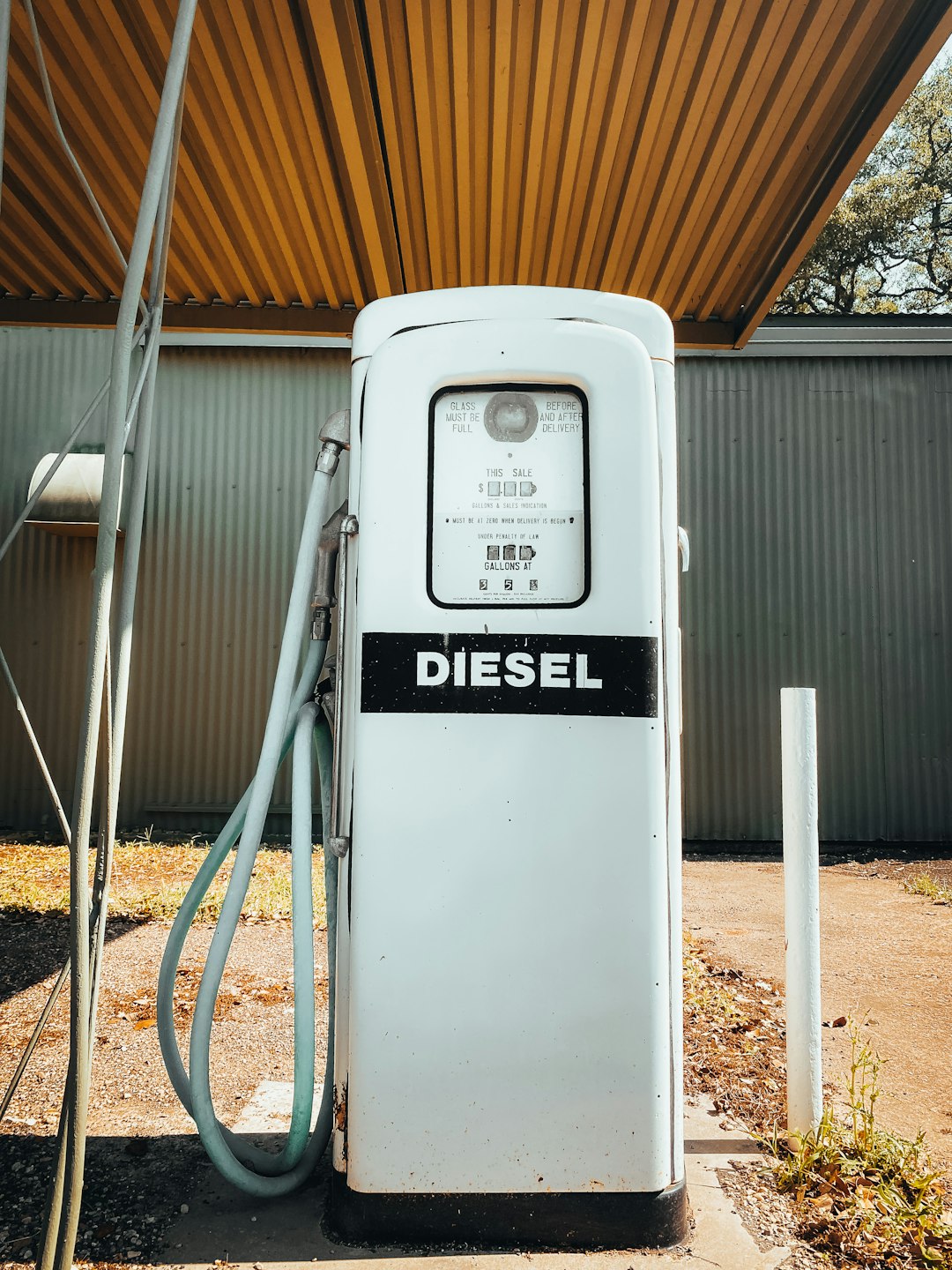 DIESEL PRICES EXPLODING
Diesel prices have surged to record levels, driven by global conflict, supply blockages and refinery shortages. For drivers it’s a nightmare at the pumps. For big companies, it’s painful. For small and micro businesses, it’s existential.
Small businesses report having to pay hugely increased prices for raw materials and for transport costs. One small business owner tells me he’s facing thousands of pounds extra a month in raw materials and transport costs. He’s had no choice but to pass costs on to his customers or get into huge debt and lose employees. How long his customers will be able or willing to pay up is another question. Many small firms can’t afford to pass on the costs because their customers can’t afford to pay. The situation is so critical that for some it’s lose, lose.
The leaders of the Liberal Democrats, Ed Davey, has been calling on the Government to reduce fuel duty by 10 pence a litre, immediately until at least Christmas. Diesel fuels the UK’s everyday economy; the freight, farms, construction, manufacturing, buses, coaches, deliveries, trades, logistics. When diesel spikes, small businesses can be devastated.
Price Surges
When diesel doubles, every link in the supply chain becomes more expensive. Small businesses don’t have the bargaining power to negotiate better rates.
Haulage firms are already under pressure, with around 200 going bust this year. They can’t absorb diesel increases, so they pass them on to the businesses they serve. If those are small and micro businesses, they face those higher fees and higher import/export costs or higher last‑mile delivery charges. Many micro firms won’t survive that because they can’t pay the bills and can’t pass the additional costs to their own customers.
Raw materials become more expensive
High crude oil prices add cost to everything including plastics, metals, chemicals, packaging and manufacturing components. Oil price increases reach every part of the economy.
Small manufacturers and makers are seeing double‑digit increases. Margins evaporate overnight.
Small firms can’t hedge
Large operators hedge fuel prices by buying more than they need when prices are low. Small businesses can’t. They pay the real‑time market rate, the highest rate, every day.
Inflation rises and customers cut back
Capital Economics says diesel alone will add 0.6 percentage points to inflation. Higher inflation means customers spend less, households put off buying anything other than essentials, businesses postpone investment and borrowing becomes more expensive. Small firms get squeezed from both sides with rising costs and falling demand.
Public transport pressures spill into local economies
Bus and coach operators warn that rising diesel costs are threatening vital services. If routes are cut or fares rise people struggle to get to work or go to the high streets. Ultimately even tourism is affected and rural businesses become isolated. Micro businesses rely heavily on local people and local economies.
Shipping and imports become more expensive
The UK Chamber of Shipping warns that cruise and container operators face seeing their profits wiped out. For small businesses, this means their imports and exports cost more, prices are hard to predict and delivery may be delayed. If you rely on overseas stock this will affect your business.
The UK is dangerously exposed
The UK only has four refineries, down from nine in 2000. We import just over half of our diesel. Small businesses are at the mercy of global markets and therefore of global crises. All they can do is cut their costs, if at all possible, and hope for Government support:
Renegotiate delivery contracts
Ask carriers for consolidated deliveries at off‑peak rates with shared loads. Try to negotiate fixed‑term pricing and loyalty discounts. Even small savings matter.
Review pricing immediately
If costs have risen, prices must follow. Micro businesses can’t absorb diesel inflation. Think about asking customers to accept minimum orders and delivery surcharges. Be transparent with customers. Many won’t want to lose good suppliers.
Reduce unnecessary transport
Look for ways to cut mileage with batch deliveries, using local suppliers and click‑and‑collect options or digital alternatives. Every mile saved protects your margin.
Strengthen cashflow buffers
Diesel prices will continue to bounce around. Small businesses need to build reserves, tighten up payment terms, chase overdue invoices quickly and reduce non‑essential spending. Cashflow is survival.
Dire
Diesel is the industrial workhorse of the UK economy. When diesel prices explode, small businesses take the hit long before consumers see it. Industry bodies are calling for fuel duty relief, targeted support for haulage and protection for public transport. In the longer term they also want to see investment in UK refining capacity and emergency supply plans.
This crisis is adding thousands of pounds a month to the bills of small businesses, and 200 haulage firms have gone bust. It is pushing up inflation, shrinking margins and causing sleepless nights for founders who’re worried about keeping their businesses afloat and paying their employees. Small and micro businesses need urgent support and a national plan to stabilise fuel supply, protect transport networks and shield the real economy from global shocks.
Share: