
Brexit testing barrier could be costing UK exporters £6.5bn a year
27 October 2026
·
Liz Barclay
Share:
Small manufacturers pay the price for Britain's £6.5bn EU trade gap
Britain could be missing out on as much as £6.5bn of exports to the EU every year because manufacturers face additional product-testing and certification barriers, according to new IPPR research. The biggest estimated losses are in cars, electronics and pharmaceuticals, but behind those headline industries sit thousands of smaller manufacturers, component makers, engineering companies and specialist suppliers. Big businesses may be able to establish an EU subsidiary or absorb additional compliance costs; for a micro manufacturer deciding whether a European order is worth taking at all, another layer of testing and bureaucracy can make the answer no.
THE UK IS LOSING UP TO £6.5BN IN EU EXPORTS.
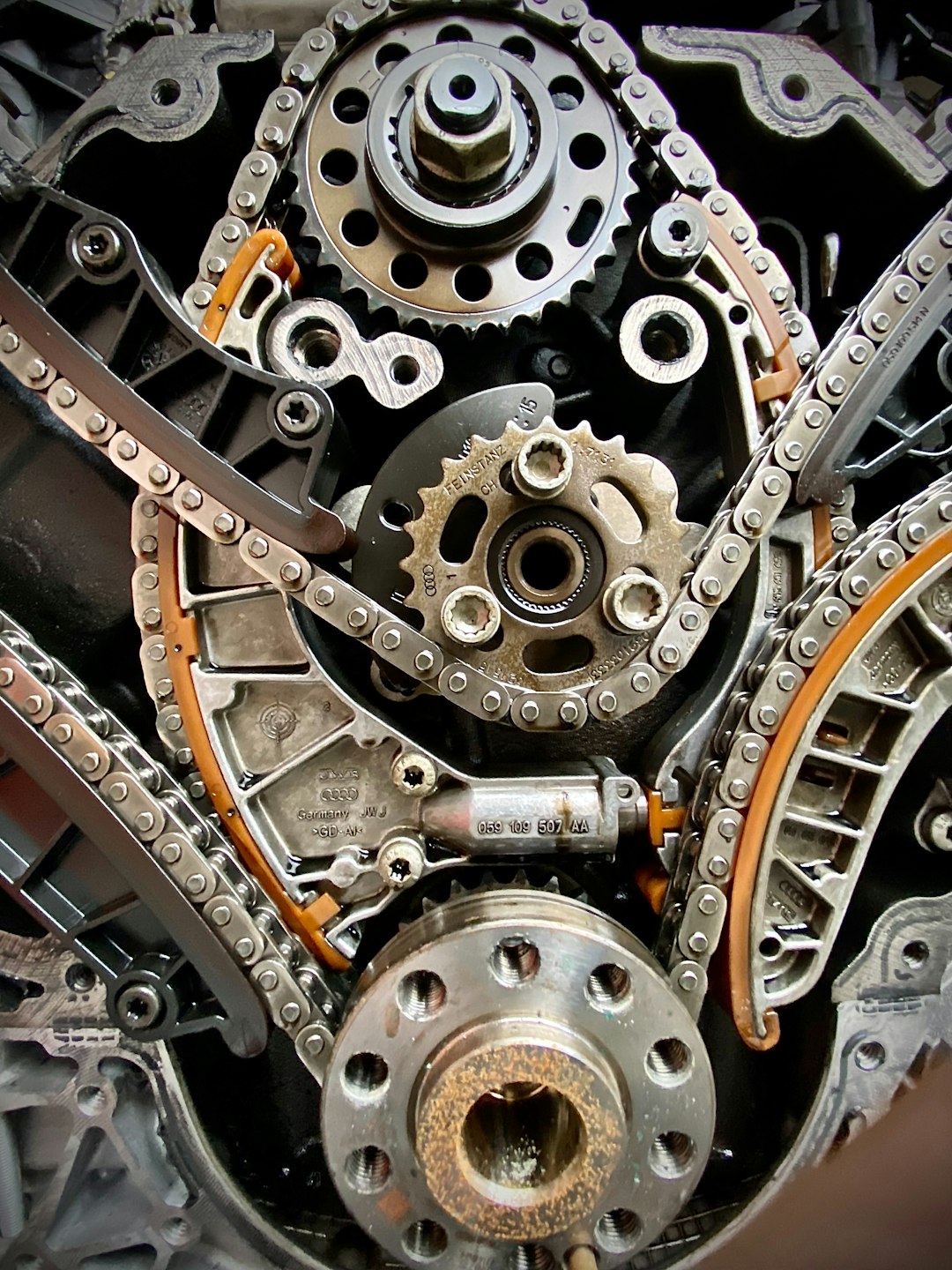 The UK is missing out on as much as £6.5bn a year in EU exports because manufacturers have to do two lots of testing on their products since after Brexit. The Institute for Public Policy Research (IPPR) says that because we don’t have a mutual recognition agreement (MRA) with the EU many firms to stop exporting altogether or have relocated inside the EU to avoid extra costs and delays.
For small and micro businesses, the ones most affected by the costs of exporting, this has been a block on growth.
Small Firms Shut Out
Without an MRA, UK exporters must test products twice: once for UK rules and once for EU rules. Large manufacturers can absorb the costs of this, but small firms can’t.
For micro exporters, duplicate testing means thousands in extra compliance costs with more paperwork and longer lead times. There’s a higher risk of shipments being rejected and the up shot is our small businesses can’t compete with EU rivals. Many simply stop exporting or never start. The Government thinks that more businesses in the UK, exporting, is an important factor in getting growth in the economy.
The Losses
The IPPR estimates annual export losses of:
£2.48bn–£3.42bn in motor vehicles and parts
£1.17bn–£1.67bn in electronics
£740m–£820m in pharmaceuticals
These sectors include thousands of small manufacturers, engineering firms, precision‑tool makers, electronics micro‑producers and specialist small pharma businesses. When they lose access to EU customers, entire supply chains shrink.
A Double Whammy
The absence of an MRA doesn’t just reduce exports, it raises costs for domestic customers too. When small manufacturers pay more for testing, they pass those costs down the chain. This affects independent retailers, trades and installers, small wholesalers, micro‑manufacturers and online sellers using UK‑made components. The impact ripples across the whole small‑business ecosystem.
Structural advantage
Many UK businesses have got around the problem by opening EU subsidiaries to avoid having to test twice. Those that haven’t been able to go down that route face higher prices and slower delivery times which means reduced reliability, lost contracts and shrinking margins. Small firms have lost customers because of all the regulatory friction.
A Deal?
The IPPR says a mutual recognition agreement based on “dynamic alignment” would allow UK and EU authorities to recognise each other’s product assessments and tests. For small businesses, this would mean one test instead of two which would lower the costs and get their products to market quicker. Restoring the ability and confidence of our small businesses to compete and export could have huge benefits for the UK economy.
Reopen Markets
The UK is losing billions in exports and small and micro businesses are hardest hit. A deal with the EU on product testing wouldn’t just boost national trade figures. It would reopen markets for thousands of small manufacturers, restore competitiveness, and unlock growth across the UK economy.
The UK is losing out on annual exports to the EU that could be worth as much as £6.5bn without a deal with Brussels that allows manufacturers to jettison duplicate product testing.
In the latest attempt to calculate the loss of trade with the EU after Brexit, the IPPR thinktank said many companies have given up selling goods to the EU or set up subsidiaries inside the trade bloc after successive governments failed to secure a mutual recognition agreement that would avoid the extra administration costs.
The thinktank estimated that the absence of such a deal may have cost UK exporters between £3.7bn and £6.5bn each year in lost revenue since the UK’s post-Brexit trading arrangements came into force in 2021.
It urged the government to reopen talks with the EU, saying that the loss of trade amounted to about 0.18% of annual national income, or about three times what the UK government expects to gain from its trade deal with Japan, Canada, Australia and Singapore, known as the CPTPP deal.
At this week’s Liberal Democrat conference, the party’s leader, Ed Davey, said that should the party take control at Westminster, he would begin talks to rejoin the EU single market and customs union.
He said the move would bring the UK into alignment with its largest trading partner, boost exports and kickstart growth.
Earlier this year, the Starmer administration pitched the creation of a single market for goods between the UK and EU to Brussels, but the proposal was rejected by EU officials.
EU officials said they wanted deeper cooperation with the UK, but this had to be in line with fundamental principles, including no cherrypicking of EU policies.
The IPPR said a mutual recognition agreement (MRA) based on “dynamic alignment” – where the UK keeps relevant product rules in step with the EU – would allow UK and EU authorities to recognise each others’ product assessments, reducing costs and uncertainty for exporters.
The estimated losses are concentrated in three industries:
Motor vehicle and part exports would have been between £2.48bn and £3.42bn higher each year.
Electronic exports could have been between £1.17bn and £1.67bn higher.
Pharmaceutical exports would have had an estimated annual uplift of between £740m and £820m.
Share: