
Britain's £21bn food gap puts small producers in the firing line
23 October 2026
·
Liz Barclay
Share:
Imports are winning – can Britain's small food businesses fight back?
Britain bought £33.1 billion of food and drink from overseas in the first half of this year but exported just £12 billion, leaving a record £21.1 billion trade deficit. Behind those enormous numbers is a much more local battle being fought by Britain's small growers, bakers, brewers, makers and food manufacturers. They're being squeezed by rising costs at home, growing competition from imports and increasing difficulty selling overseas. If Britain really believes food security is national security, keeping its small food producers alive has to be part of the plan.
THE UK’S FOOD TRADE DEFICIT JUST HIT £21BN
The UK’s food and drink trade deficit has surged to more than £21bn, the largest since 2000. Exports are falling, imports are rising and industry leaders are calling this a “wake‑up call” and want the Government to protect homegrown food production.
For small and micro food businesses: producers, makers, growers, bakers, brewers, processors, wholesalers and independent retailers, this is a direct threat to margins, competitiveness and long‑term survival.
Small and micro food businesses are vital to UK food security, and they need the right conditions to invest, innovate and grow.
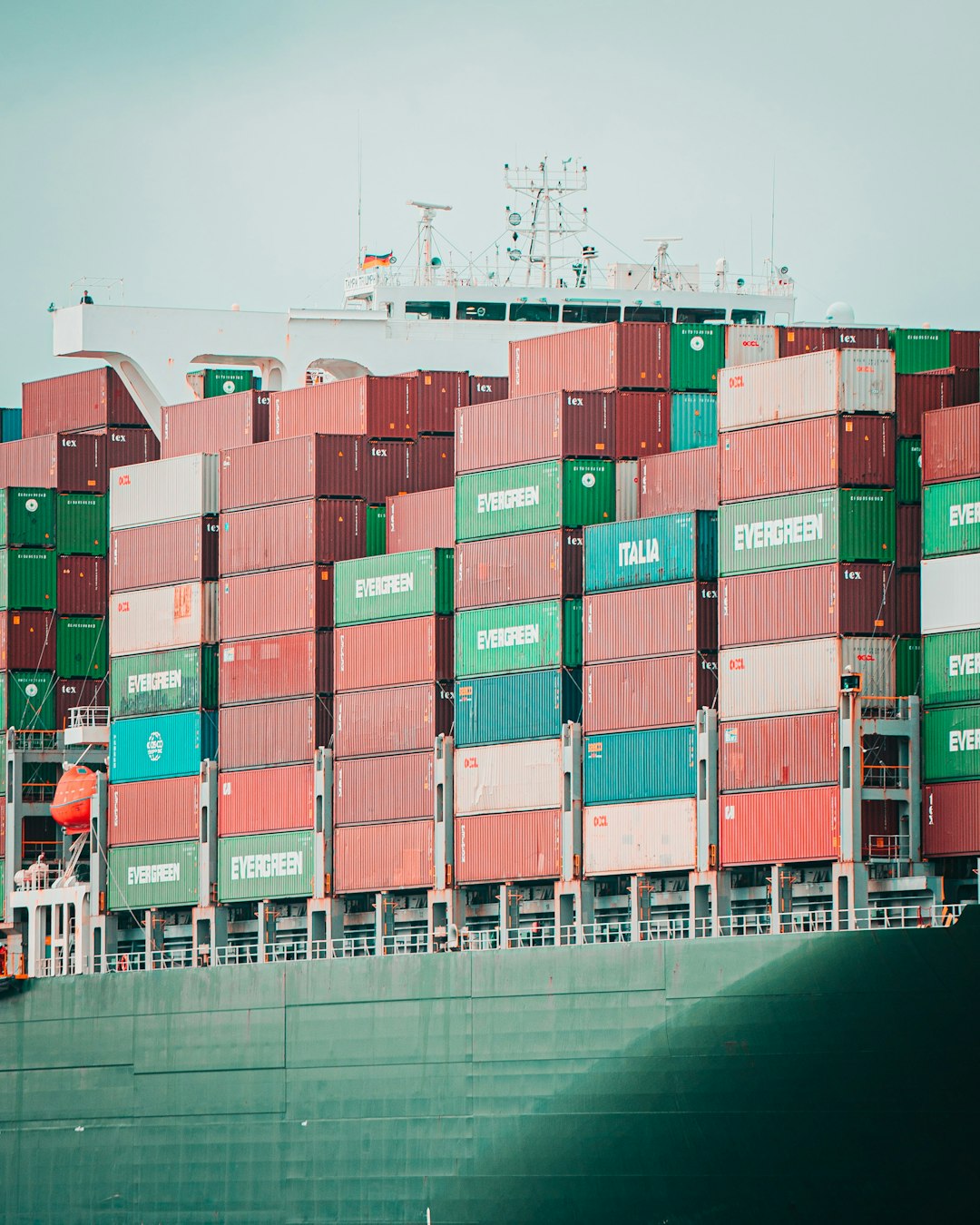 Exports Falling
UK food and drink export volumes fell 11.7% in the first half of 2026 which is barely above pandemic lows according to figures from the Food and Drink Federation (FDF). The key pressures are:
Brexit complexity: exports to the EU down 0.9% in value
Middle East disruption: exports to UAE down almost 25%
US tariffs: 10% tariff slashed UK‑US food exports by 16.5%
Small producers who rely on niche, high‑value exports, are the least able to absorb extra paperwork, delays and tariffs. Many simply stop exporting.
Imports Surging
Imports hit 19.1bn kg, the second‑highest level ever. That’s been driven by:
eased restrictions on non‑EU imports
Australia sending 25% more food to the UK
tariff suspensions on manufactured foods (e.g., chocolate, biscuits) and
EU producers recovering and increasing deliveries.
When tariffs are removed on imported biscuits, oils, vegetables or meat, those products arrive cheaper than UK‑made equivalents. Small firms can’t compete on price, so they have to compete on quality, provenance and brand, but price matters more to consumers who are struggling with the cost of living increases themselves.
A £21bn Deficit
NFU president Tom Bradshaw calls the deficit a “wake‑up call”. He points out that “Food security is national security.” Small food firms face:
rising costs
regulatory burdens
extreme weather
volatile global markets
squeezed margins
unpredictable supply chains
The FDF warns pressures on manufacturers are “significant and growing”, especially those price rises for energy, ingredients, transport, packaging and labour.
Higher competition from cheaper imports
When imports rise and tariffs fall, foreign products are cheaper on the shelves than those made at home. This creates direct price competition for small and micro food firms.
We can expect to see more undercutting in categories dominated by high‑volume, low‑margin products, mass‑manufactured overseas:
Bakery: countries with large industrial bakeries can produce biscuits, crackers and baked snacks at extremely low cost. When tariffs are removed these products are cheaper than local equivalents.
Confectionery: chocolate, sweets and snack bars are heavily mass‑produced abroad. Lower import costs mean supermarkets can buy them cheaply and squeeze UK artisan or small‑batch makers.
Oils and fats: Australia, Asia and parts of Europe can produce oils at scale. When imports rise, UK producers of rapeseed oil, specialist oils or blended products face price pressure.
Processed foods: ready meals, sauces, canned goods and packaged snacks are cheaper to produce in countries with lower labour and energy costs. UK small producers struggle to match those prices.
Meat and dairy alternatives: plant‑based products are now mass‑manufactured globally. Lower import barriers mean cheaper alternatives flood the UK market, undercutting small local producers.
Differentiate
Small UK food firms can’t win on price so they must win on something else. They could stand out by emphasising
local ingredients
sustainability
provenance
artisan methods
premium quality
ethical production
unique flavours or formats
Consumers will pay more for products with a story, a purpose or a premium experience.
Diversify
Shifting into areas less exposed to cheap imports may be another option, such as:
fresh foods
short‑shelf‑life products
local delivery
bespoke or small‑batch production
direct‑to‑consumer sales
food experiences (kits, tastings, workshops)
These are areas where global manufacturers can’t compete.
Exporting becomes harder
Niche exporters need to focus on premium markets, use trade‑support schemes, partner with distributors and avoid markets hit by tariffs or conflict.
Supply‑chain risk increases
Global shocks mean some ingredients are in short supply and so price spikes and deliveries are delayed. Micro firms need backup suppliers and flexible recipes.
Policy matters
Tariff decisions, trade deals and regulatory changes directly affect small producers. Staying informed is a business survival skill.
Vital
The UK’s food‑trade deficit is widening because exports are falling and imports are rising, and small food firms are caught in the middle. This is a structural shift that demands resilience, differentiation and smart supply‑chain strategy if small and micro businesses are to survive the onslaught. They’re vital to UK food security and they need the right conditions to invest, innovate and grow so they can compete in the current environment. The Government needs to wake up and smell the coffee.
Share: