
Britain's grid is being rebuilt – and small firms could cash in
22 October 2026
·
Liz Barclay
Share:
£70bn grid boom could be a goldmine for Britain's small builders
Britain's grid is being rebuilt – and small firms could cash in
Britain is about to embark on a massive upgrade of the electricity network, potentially creating years of work for construction and specialist engineering businesses. From substations and cable laying to groundworks, electrical installation and maintenance, billions of pounds will flow through the supply chain. The big question for small and micro firms is simple: how much of it can they win?
THE GREAT BRITISH GRID SHAKE‑UP
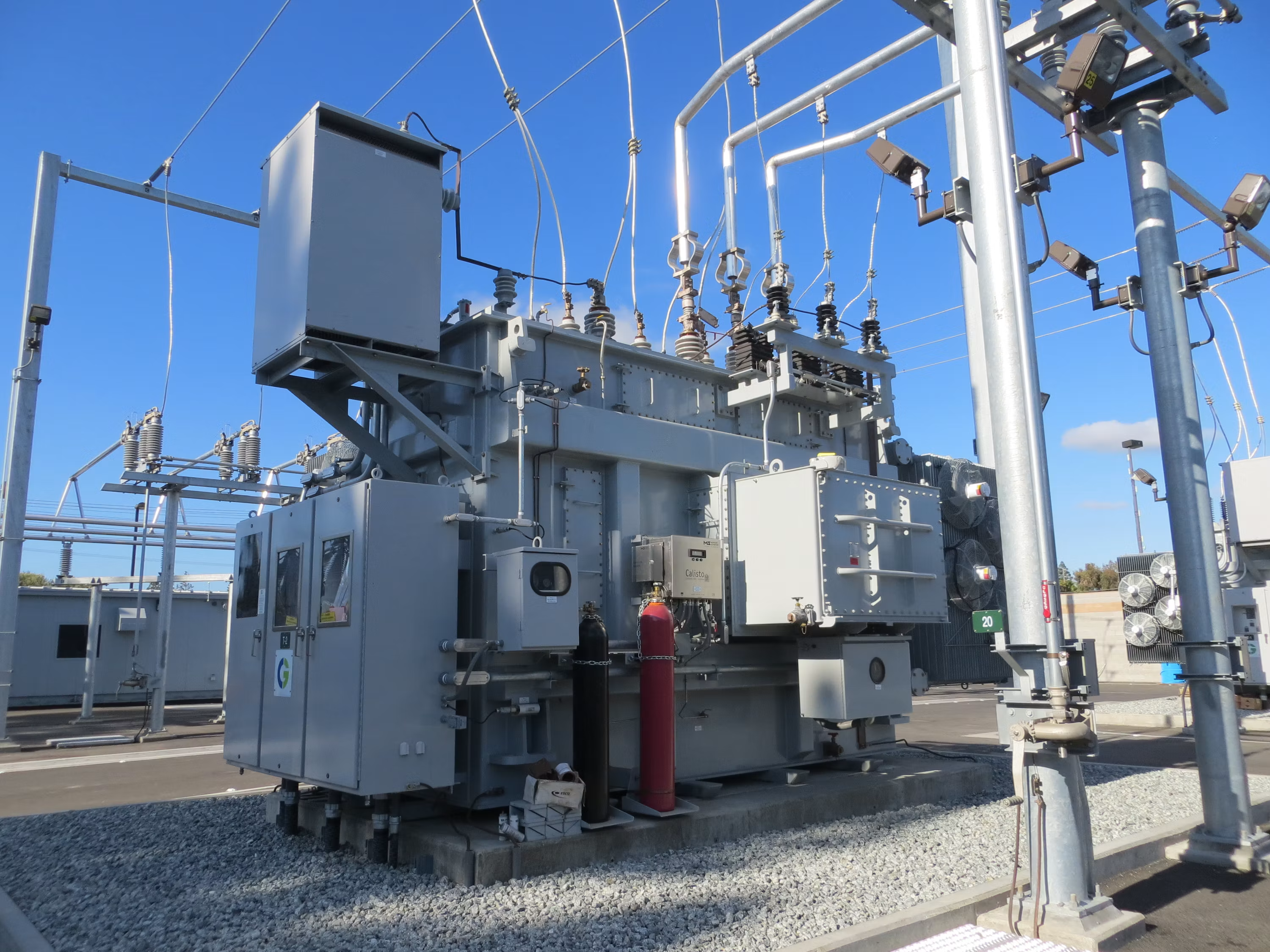 A new gold rush for small & micro construction firms?
The Government has launched Great British Grid, a new publicly‑owned infrastructure investor, and handed developers a powerful new right: the ability to build their own electricity grid connections.
This is not a technical footnote. It’s one of the biggest shifts in UK infrastructure policy in decades, and it could unlock a multi‑billion‑pound opportunity for small and micro construction businesses.
The Blockage
For years, construction projects have been stuck in limbo because developers couldn’t get connected to the grid. Data centres, factories, logistics hubs, housing sites, have all been waiting months or years for network operators to act.
Applications for major electricity use have exploded from 41GW to 125GW in less than a year, with data centres alone accounting for 80GW of demand.
The grid has become the UK’s biggest development bottleneck.
The Shake Up
Under the new reforms developers can procure and deliver their own grid connection infrastructure. They no longer have to wait for network companies. The Great British Grid can invest alongside private capital and competitive tendering will open transmission projects to new players. Ireland has already done this and the results are striking. Connections have been delivered 11 months faster with costs up to 20% lower. This is the model the UK is now copying.
The Opportunity
This reform opens a huge new pipeline of work across:
High‑voltage substations
Cables and ducting
Switchgear
Transformers
Associated civils
Site preparation
Specialist electrical installation
Safety and compliance services
Project management and commissioning
Developers, from data centres to industrial plants, will now be able to choose their own contractors, not rely on network monopolies. That means more competition, more suppliers, and more opportunities for smaller firms.
This A Big Deal
Small businesses can finally compete for grid‑related work. Previously, only large transmission owners could deliver these projects. Now, developers can bring in local contractors, specialist micro‑firms, and regional small businesses.
Faster projects should mean faster payments. If connections are delivered 11 months quicker, construction timelines shrink and so do payment cycles.
Data centres mean long‑term and high‑value work. With 80GW of data centre demand in the pipeline, small firms can tap into other revenue streams like fit-outs, electrical work, cooling infrastructure and maintenance contracts. These are multi‑year, stable revenue streams.
Transmission expansion will add up to billions in spend. Ofgem estimates £70bn will be spent between 2026 and 2031 on grid expansion; the biggest upgrade since the post‑war era. Even a tiny slice of that could be transformational for micro businesses.
Local firms can win on agility. Developers want speed and small firms can mobilise faster, quote quicker, and deliver faster than large corporates.
Get in the Zone
Upskill in grid‑related work
Training in:
HV/LV electrical installation
Substation civils
Cable laying
Safety and compliance
Grid commissioning
This is the new frontier.
Build relationships with developers
Data centres, logistics hubs, industrial parks will now be procuring their own connections.
Partner with specialists
Micro firms can team up with other skilled firms to bid for larger packages. Collaboration will win contracts.
Get pre‑qualified early
Developers will want safety accreditation, insurance, compliance documentation and proven delivery capability. Being “bid‑ready” will matter.
Watch the tendering reforms
Competitive transmission tendering means new entrants, including SMEs, can compete for work previously locked behind monopolies.
Once‑in‑a‑generation
The launch of Great British Grid and the expansion of self‑build connection rights could be a huge opportunity for small and micro construction firms. For years, grid constraints have slowed the economy. Now, the Government is opening the door for local contractors, specialist micro‑firms, and regional businesses to help build the next era of UK infrastructure.
This is a new market, a new revenue stream, and a new chance for small businesses to scale. The firms that move early to upskill, partner, and position themselves, will be the ones that win big.
Share: