
Building slump leaves small firms fighting to stay afloat
22 October 2026
·
Liz Barclay
Share:
Housebuilding slides as small builders face a cash crunch
The building slowdown is hitting where it hurts: the next job. Four consecutive monthly falls in construction output spell trouble for small builders and tradespeople who depend on a steady pipeline of work. When projects stop, the wages, finance payments and bills keep coming.
CONSTRUCTION OUTPUT FALLS AGAIN
Construction is showing yet another fall (1.0%) in the latest GDP figures. Output has now fallen for four months in a row, with August showing another 0.2% drop and July’s figures revised sharply downward. Over the three months to August, output is down 1%, marking the second consecutive rolling decline.
This is turning into a trend that’s hitting the smallest firms in the sector.
Private housebuilding is the biggest drag, shrinking 3.2% over the period and 1.9% in August alone. New work is down 1.4%, and even repair and maintenance work which is normally the stabiliser, slipped 0.3% over the quarter. The sector is in the doldrums despite Government attempts to gee it up and get 1.5 million homes built.
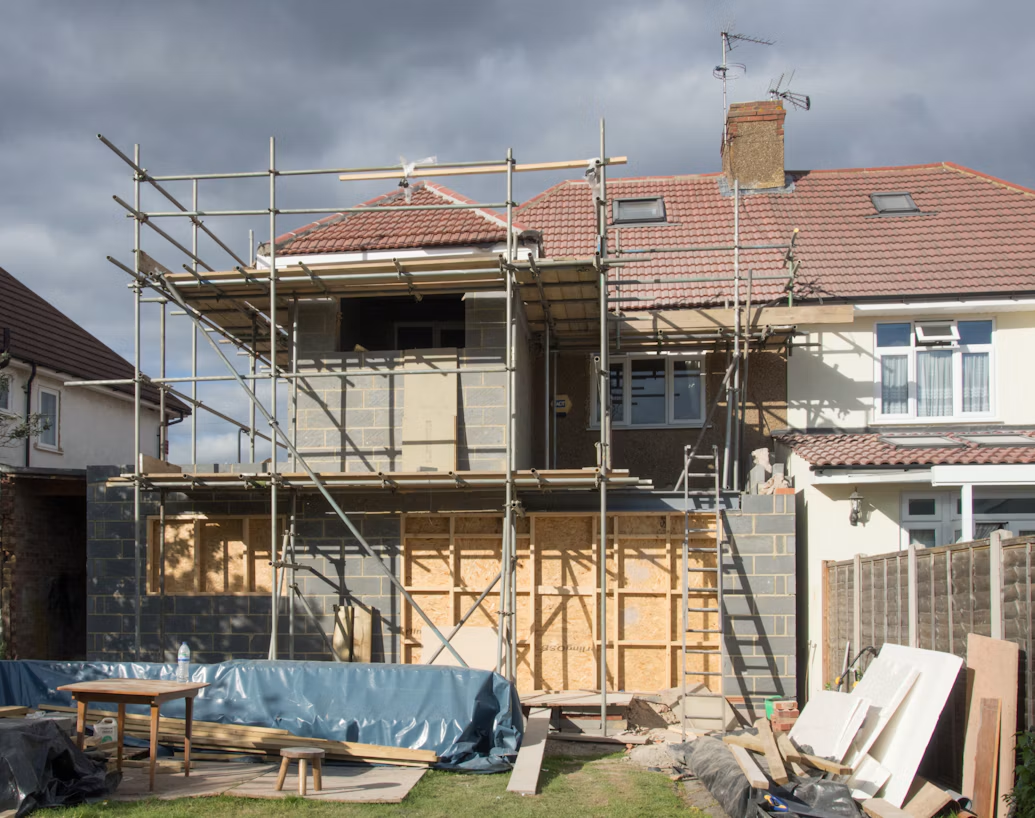
Photographer Brett Jordan Unsplash photo ID yica25Tg73w
Demand Crunch
Private housebuilding is collapsing. Small and micro builders rely heavily on extensions, small developments, local new‑builds and subcontracting on larger sites
When private housebuilding drops 3.2%, these firms lose a pipeline of work, their subbies lose opportunities and their cashflow management goes out the window. For small firms local demand is vital and that’s vanished, so many small builders are reporting “dead months” and stalled enquiries.
Drying Up
August’s decline came entirely from new work, down 0.7%. New work is the lifeblood for small firms and without it people sit idle, apprenticeships stall, equipment finance becomes harder to get and cash reserves drain away, making it harder to finance the next job. Businesses become vulnerable to closure
Repair and maintenance grew 0.4% in August, but that’s not enough to offset the collapse in new projects.
Killing Viability
Higher borrowing costs mean developers pause projects and homeowners delay renovations. Small builders struggle to get finance for materials and the risk grows.
Small builders don’t have the reserves to wait out long pauses and they struggle to keep skilled people on the books.
Planning Delays
Development costs and planning decisions are deterring investment. For small builders planning delays means no income. Large developers can absorb this, but micro firms can’t.
Crippling Housebuilding
High borrowing costs are a nightmare for housebuilders. If fewer mortgages are approved and there are fewer first‑time buyers, small developments, self‑builds and refurbishments to bid for existing loans become impossible to pay for and lenders see future lending as too risky. Even the government’s new first‑time buyer scheme won’t fix this quickly.
Materials and Energy Costs
Energy and materials inflation is back and small builders are struggling to manage it. Higher costs mean they have to charge too much to be competitive and customers decide not to go ahead. Small firms can’t hedge or bulk‑buy so they either have to absorb the higher costs or hike prices and neither option is great for business viability.
The Budget
The industry is warning against expecting the Budget to rescue the sector because public finances are tight and there are no major new capital programmes expected. infrastructure spending is already committed and any rabbits the Chancellor did manage to pull out of the red box would be modest and slow‑burning. Small builders can’t rely on a government boost.
The Risk
If output continues to fall, the consequences for small and micro firms include:
business closures
loss of skilled tradespeople
apprenticeships drying up
regional construction deserts
long‑term capacity loss
higher prices due to reduced competition
retirements from the sector as the average age in construction is high.
Danger Zone
Construction output has now fallen for four straight months and the decline is accelerating. Private housebuilding is shrinking and new work is drying up. Costs are rising, financing is tight and planning is slow. All of this is making investors nervous. In normal situations if one sector’s work dries up firms survive by diversifying, but when all segments of construction are showing signs of burnout that’s not likely to be a feasible solution. Small and micro construction business owners are nervous too. This is a dangerous moment.
Share: