
Customer harassment becomes an employer problem from 30 October
24 October 2026
·
Liz Barclay
Share:
Your customers could soon land your business in an employment tribunal
Customer harassment becomes an employer problem from 30 October
A customer makes a racist remark to the person behind your counter. A client sexually harasses one of your employees. A member of the public repeatedly targets a member of staff because of their religion, disability or sexuality. From 30 October, small employers will have a much greater legal responsibility for what happens next, because businesses will be required to take all reasonable steps to prevent employees being harassed by third parties. For a company with an HR department that's a compliance exercise; for a café, shop, salon, care business or other micro employer dealing with the public every day, it's something that needs attention now.
CUSTOMER ABUSE IS ABOUT TO BECOME YOUR LEGAL PROBLEM
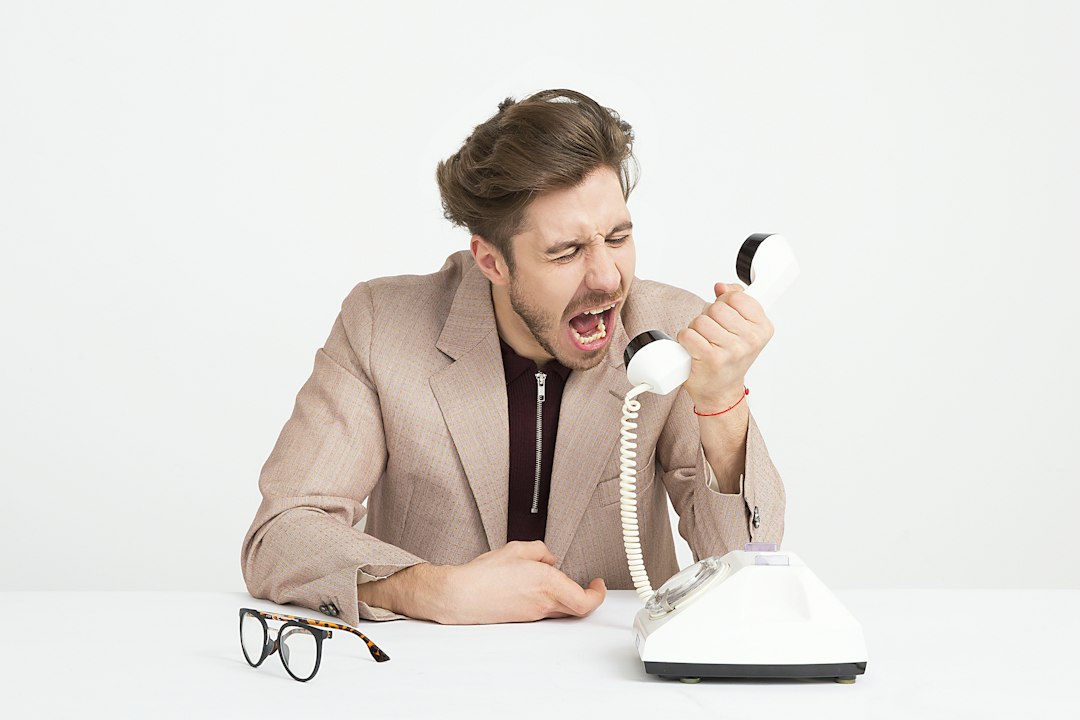 Small and micro businesses are facing a major shift in workplace law. If you are an employer, you will soon be legally liable for harassment, not just by your employees, but by customers, clients, contractors and members of the public.
For big companies, this is a compliance challenge for their customer services and HR Departments. For small and micro businesses which don’t usually have that kind of back up: cafés, shops, trades, market stalls, online sellers, it’s a seismic change that affects daily operations, staffing, insurance, and risk.
Abuse by customers of employees, has risen sharply across retail, hospitality, health, beauty, trades and transport. From the 30th October 2026, the legal responsibility for preventing it will sit squarely with employers.
You will be legally responsible for customer behaviour
If a customer harasses, threatens, intimidates or abuses one of your employees you could face:
legal claims
compensation payouts
regulatory scrutiny and
reputational damage.
Small and micro businesses with limited HR capacity are the most exposed.
High‑risk sectors include retail, hospitality, beauty, trades and care
Anywhere employees interact with the public is now a potential liability zone. Micro businesses often operate alone or with small teams, making them more vulnerable.
You must show you took “all reasonable steps”
This is the legal test and ‘reasonable’ has always been open to interpretation. Small businesses will need evidence that they:
trained staff
set clear policies
intervened when incidents occurred
banned abusive customers
recorded incidents properly
Without that level of evidence your liability increases.
Insurance costs may rise
Public‑facing businesses may see higher employer liability premiums, new policy exclusions and requirements for documented risk management. Micro firms already struggling with rising costs must prepare despite time and money constraints.
Recruitment and retention will be affected
Workers increasingly expect protection from customer abuse. Businesses that fail to act will struggle to recruit and keep people, or motivate people affected and that may be others on the team other than the person who was abused directly. You have a duty of care and that includes protecting wellbeing. Good employers will gain a competitive advantage and attract and retain good people.
The Checklist
Create a simple anti‑harassment policy. One page is enough. Make clear there’s zero tolerance for customer abuse and when customers will be refused service. The policy should also set out how staff report incidents and how you will respond.
Train employees even if you only have one or two. Short, practical training about how to de‑escalate situations and when to walk away are the priority. The training can also include how to report cases and when employees can expect from you.
Put up signs. A simple notice saying “We do not tolerate abuse of staff. You may be refused service” will count as a “reasonable step”.
Record incidents. Use a notebook, spreadsheet or app to show that you acted and what you did. From welders to AI firms – Britain’s shipbuilding revival needs small business
Review your insurance to make sure your policy covers third‑party harassment claims.
Protection
Customer abuse isn’t just a workplace problem; it’s becoming a legal liability. Small and micro businesses have to protect staff, reduce risk and show they took reasonable steps. Getting this right protects the business too.
Share: