
Diesel shock: £2.5bn extra fuel bill threatens Britain's van businesses
27 October 2026
·
Liz Barclay
Share:
Van drivers face £1,965 fuel bills as Chancellor urged to act
Britain's van drivers are facing a £2.5 billion diesel shock, and small businesses could be among the hardest hit. New estimates suggest annual fuel bills have jumped by more than 50%, leaving tradespeople, delivery firms and mobile businesses paying hundreds of pounds more simply to keep working. With the Chancellor's Budget approaching on 28 October, the warning is clear: another increase in fuel duty could push already stretched businesses beyond breaking point.
DIESEL DEVASTATION
Van owners will collectively spend £8.5bn on diesel this year, £2.5bn more than last year.
Van drivers across the UK are bracing for a brutal financial hit. Diesel costs have surged to record highs, pushing the average annual fuel bill for a van from £1,294 to £1,965, a 52% jump. For millions of small and micro businesses that rely on vans to operate, deliver, trade, and survive, this is a direct threat to their margins, resilience, and in some cases, ability to stay afloat. With fuel duty set to rise again in January and March, the pressure is about to intensify.
Diesel Spike
Vans are the backbone of the UK’s small business economy
95% of light commercial vehicles run on diesel and they’re run by everyone from tradespeople and delivery drivers to food businesses and florists. When diesel rises, the entire small business ecosystem feels it.
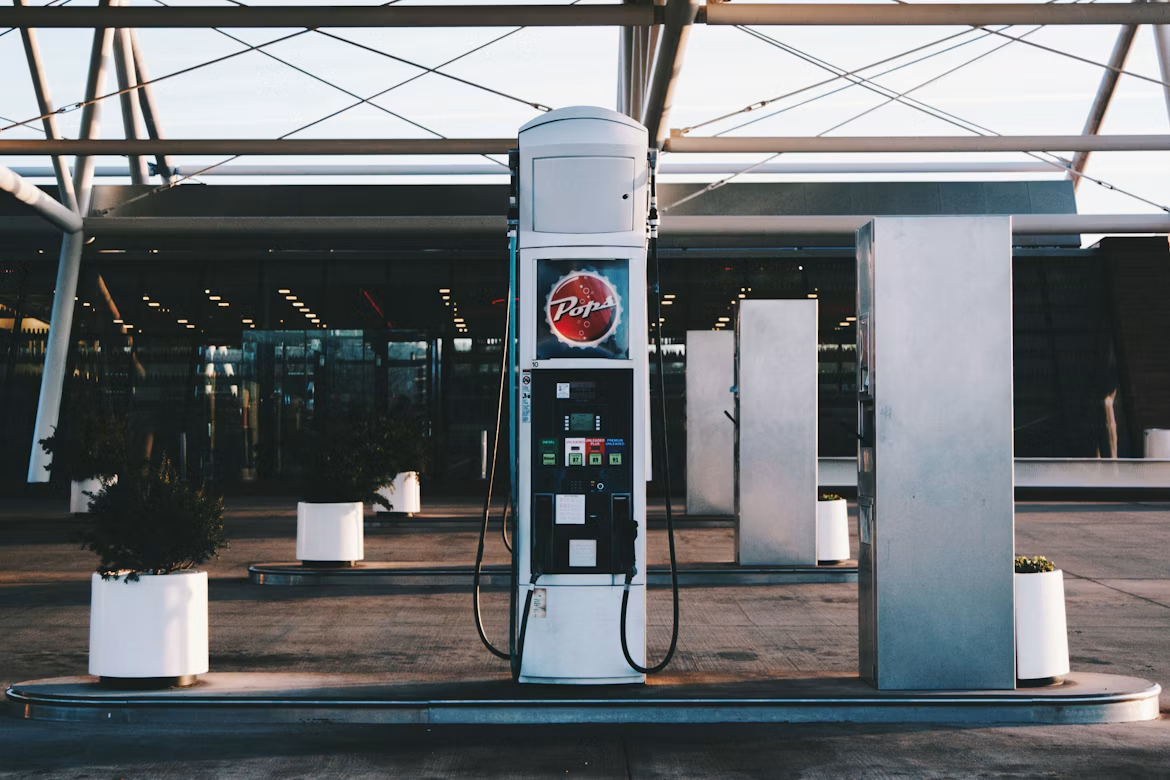 Photographer: Caryle Barton Unsplash photo ID: UcN6ICl3Geg
Margins are already razor‑thin
The Road Haulage Association warns many operators run on 2% margins. They simply can’t absorb a £600–£700 annual increase in fuel costs. For microbusinesses, this means they have to turn down jobs, reduce delivery distances, hike their prices, and cancel any plans to invest. Ultimately bosses lie awake at night worrying about how to pays the bills and manage their debt. Some won’t survive.
Every cost increase becomes a price increase
Diesel is baked into the cost of everything: food, construction materials, retail goods, home deliveries. A fuel duty rise will scupper the ambitions and businesses of many.
The timing couldn’t be worse
Small businesses are already dealing with rising energy bills, increased wage costs and falling demand. Diesel prices are just the latest blow. They’ve climbed 40% since February, driven by refinery disruption in the Middle East and Russia and global shortages of refined oil. Pump prices have breached £2 per litre for the first time. Small and micro businesses are already cutting back on travel, increasing their prices and holding back on any investment on tools, equipment, or people.
EV adoption is rising, but upfront costs are high, charging infrastructure is still patchy, rural areas are underserved and grants are limited
Please Mr Chancellor
Please scrap the planned fuel duty rise. Adding 5p per litre in January and March would be a “hammer blow” for small firms.
Introduce a commercial vehicle fuel rebate. Spain, France and Italy already offer rebates. The UK is behind.
Accelerate support for electric van adoption. Small businesses need grants, tax incentives, better charging infrastructure and low‑interest finance.
Please give targeted support to rural and trades businesses. These sectors rely most heavily on vans and face the highest fuel burden.
UK Economy
Small and micro businesses make up 99.6% of UK firms. They’re the backbone of logistics and local economies. They are the foundation of supply chains and essential to food distribution. If diesel costs continue to rise unchecked, the impact will ripple across inflation and household budgets on top of the impact on the sectors where most small businesses operate. Diesel is a national economic risk.
Diesel costs are rising faster than small businesses can adapt. A £2.5bn increase in fuel spending is not absorbable and will kill off some of our essential firms. If the government wants to support small businesses, protect supply chains, and stabilise inflation, fuel duty must not rise, and support for commercial vehicle operators must be part of the October 28th Budget.
Share: