
Energy bills shock: 40% standing charge surge hits small firms hardest
13 April 2026
·
Liz Barclay
Share:
Your energy bill has just gone up — and there’s nothing you can do about it. Standing charges for businesses have surged by around 40%, meaning you’re paying more before you’ve even switched a light on. Cut your usage, tighten your belt, close early — it won’t matter. This is a fixed cost you can’t escape, and for small and micro businesses already juggling rising wages, taxes and falling demand, it’s yet another hit to cashflow that you simply can’t control.
If you’ve examined a recent energy bill you may have noticed your standing change has soared. Energy standing charges are rising because the UK is rebuilding its electricity grid. The cost is being recovered through fixed daily charges rather than unit rates. It’s your standing charge that’s affected. The bottom line is that try as you might, even if you reduce your energy use you can’t cut the standing charge. You’re lumbered with it.
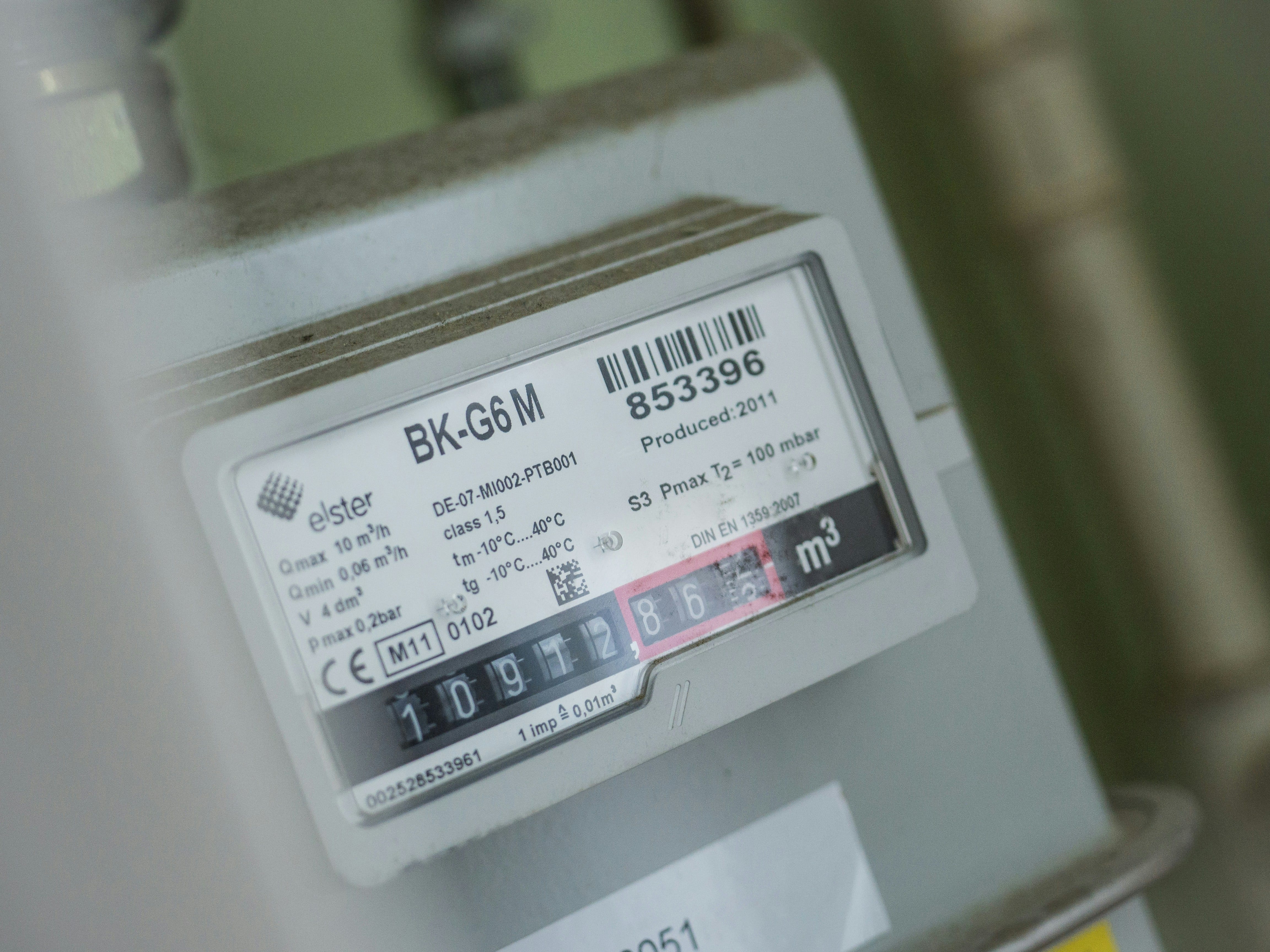
The increase is driven almost entirely by non‑commodity costs. These are the charges energy suppliers must pay to use and maintain the national electricity grid. These costs are passed directly to businesses through the standing charge, not the unit rate.
For small and micro businesses, it means your energy bills have gone up in a way you can’t control and like everything else that’s added to your costs this month, this will put more pressure on your cashflow.
The UK grid needs massive investment to connect new renewable energy sources, upgrade ageing infrastructure, reduce reliance on gas generation and build a system capable of handling electrification (heat pumps, EVs, industry). Transmission companies estimate £80 billion of investment is needed over five years. That bill ultimately lands on consumers, including small businesses.
Network costs are recovered on a “pence per site per day” basis. That means suppliers add them to the standing charge, not the price per kWh. Even if your business cuts the energy it uses and improves efficiency you can’t avoid the fixed daily charge. This is why many small firms feel punished even when they’ve reduced usage.
Standing charges apply even when you’re closed, which hits micro businesses in retail and hospitality, small manufacturers and workshops, salons and florists. For microbusinesses with thin margins, a 40% rise in fixed energy costs is significant. A small shop using little electricity pays the same standing charge as a large one.
The UK is in the middle of a once‑in‑a‑generation grid transformation and network upgrades are essential, but the timing is painful for small firms already facing higher wages, business rates, fuel costs and cash strapped consumers. It’s just another straw in that pile of straws on the camel’s back.
Share: