
Europe’s empty gas stores threaten a winter price shock
15 September 2026
·
Liz Barclay
Share:
Small firms face another energy crisis as supplies run low
Europe is approaching winter with its gas stores only 63% full, against a five-year late-August average of around 80%. Prices have already more than doubled this year and Goldman Sachs warns they may need to exceed €100/MWh to attract enough liquefied natural gas—leaving Britain’s small businesses dangerously exposed.
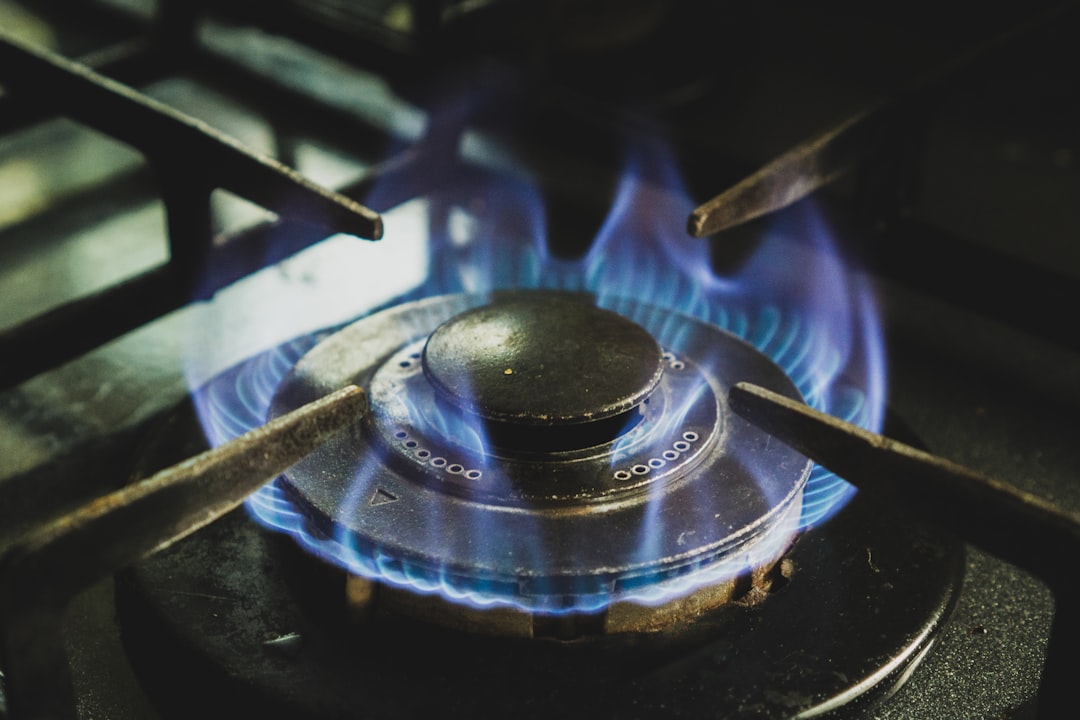 EU GAS STORAGE AT 13‑YEAR LOW
Europe is heading into winter with gas storage levels at their lowest point since 2013, triggering what analysts are calling a “winter panic” among energy traders. EU stocks were just 63% full in late August, far below the usual 80%, and injections are rising too slowly to close the gap before temperatures drop.
The Middle East conflict is disrupting Gulf gas exports with the Strait of Hormuz still effectively shut. This comes on top of a cold end to last winter and heavy gas use during Europe’s heatwaves added to the problem. Europe is likely to reach winter with gas stores 20% below the five‑year average, and lower supplies are likely to mean sharp price increases.
For the UK, which has “almost no gas in storage”, according to Centrica’s CEO, the risks are even higher.
Volatility is almost guaranteed
Gas analysts say storage levels “naturally increase the risk of heightened winter price volatility”. Cold spells or slow wind patterns are likely to push demand up sharply.
Prices are already rising fast
Benchmark EU gas prices have hit €68/MWh, more than double the price at the start of the year, and the highest in three years.
Prices could soar
Goldman Sachs says that without Middle Eastern gas returning to the market, Europe may need prices above €100/MWh to attract enough Liquid Natural Gas (LNG) to meet winter demand.
Uniquely exposed
The UK has one of Europe’s highest gas consumption rates and almost no domestic storage, so we rely heavily on imports from Europe, the US and the Middle East. If Europe competes with Asia for LNG cargoes, UK prices will rise even faster.
Higher costs
Experts say Europe will have enough gas, but at a much higher price. The question then will be who can afford to pay those prices.
Most exposed
Small and micro businesses are the most exposed to winter price shocks because they have no price cap, face higher standing charges and can’t hedge energy. Small businesses have limited cash reserves and rely heavily on heating, lighting and equipment.
Higher energy bills, immediately
Businesses will see higher unit rates and standing charges, and higher electricity prices because gas sets the marginal price. For many microbusinesses, winter energy bills could rise 10–25%.
This hits cafés, pubs and restaurants, small retailers, tradespeople and home‑based businesses and small offices, all businesses that are already operating on thin margins and already struggling with energy bills.
Reduced consumer spending
Households facing higher heating bills, petrol/diesel costs and higher food prices (due to fertiliser and transport costs) will have less to spend and as always, when households cut spending, microbusinesses, especially on our high‑streets, feel the impact first.
Higher supply chain costs
Gas price spikes increase food production costs, fertiliser prices, logistics and manufacturing costs and wholesale prices. This means microbusinesses will see higher input costs across the board.
Cashflow pressure
Winter is already the toughest period for hospitality and retail, and higher energy bills during winter and spring could push fragile firms into insolvency.
Higher insurance premiums
When energy volatility increases the risks go up and with them insurance policy premiums. Increased business interruption, supply chain and property risk all mean higher prices for cover.
Insurers price this in meaning higher premiums for small firms already struggling with insurance inflation.
Small & micro businesses could
Lock in fixed tariffs where possible: even short‑term fixes (6–12 months) reduce volatility.
Reduce winter energy load: LED lighting, plug‑in solar panels, insulation, smart heating controls.
Build a winter cash buffer: even £500–£1,000 helps absorb shocks.
Review pricing strategy: small firms may need to adjust prices modestly to protect margins.
Communicate early with customers: being transparent about why prices have to go up can make customers more loyal during tough periods.
Tough
Europe’s gas storage crisis means winter energy volatility is almost certain. Prices could go beyond €100/MWh, and the UK, with almost no storage, is one of the most exposed countries in Europe.
For small and micro businesses, this means higher bills, less consumer spending, rising supply chain costs, cashflow pressure and higher insurance premiums.
Winter will probably be tough, and preparation could soften the blow. However, the government needs to factor these higher costs into the Budget decisions on energy, business costs and support schemes, because these will determine whether microbusinesses can survive the winter shock or face another wave of closures.
Share: