
Fewer insolvencies cannot hide the strain on small businesses
29 October 2026
·
Liz Barclay
Share:
Britain keeps starting businesses but almost as many disappear
Fewer insolvencies offer encouragement, but they do not tell the whole story. Behind the headline are businesses quietly closing, owners losing their livelihoods and employees facing uncertain futures. Britain’s entrepreneurial spirit remains alive, but the figures give us little reason to ignore its fragility.
ALIVE, ENTREPRENEURIAL AND FRAGILE
At first glance, September’s insolvency numbers look like good news for the health of UK Business.
Insolvencies are down on August and down on the same month last year. It feels like stability, but insolvencies are only the tip of the iceberg. The wider data on business creations and closures from the Office for National Statistics (ONS) tells a more complicated story about the real health of UK business.
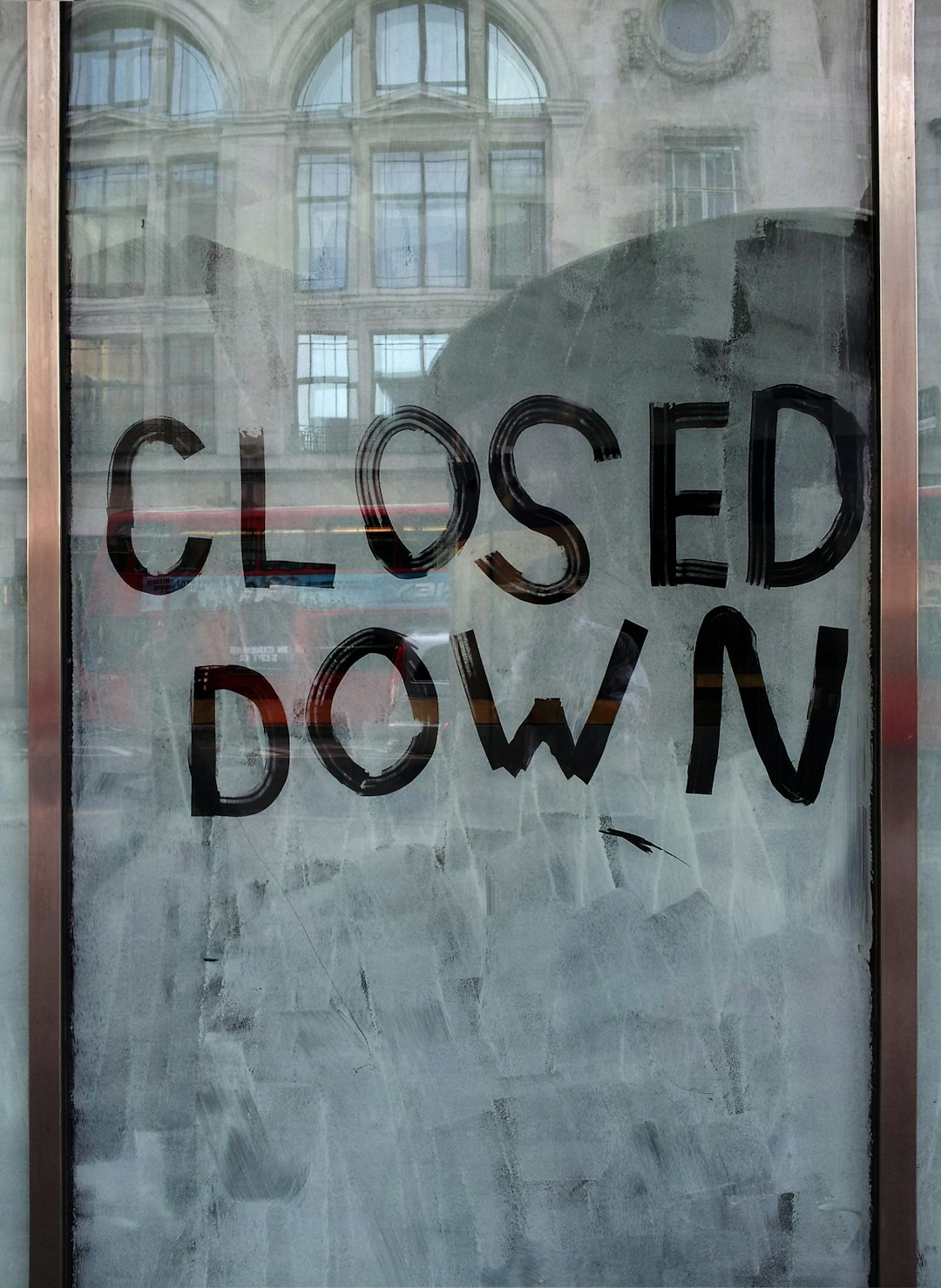 Photo by Marco Bianchetti on Unsplash
Insolvencies Falling
Insolvency is the most formal type of business closure, and most businesses close before they get to that stage. They simply stop trading, wind down quietly, or become dormant. Fewer insolvencies don’t mean fewer closures; it means fewer formal closures.
Business Creation Rising
In Q2 2026:
79,325 new businesses were created (+2.2%)
76,840 businesses closed (+2.0%)
The UK added 2,485 net new businesses. Positive, but fragile.
Growth Uneven
New businesses were created in nine sectors, led by business administration and support services (+12.3%). The number of closures rose in eleven sectors, with agriculture, forestry and fishing hit hardest (+28.4%).
Some sectors are expanding while others are shrinking and the overall business population is growing, slightly.
Churn High
The UK is seeing high business turnover with lots of new starts and of exits. Insolvencies falling may suggest fewer catastrophic failures, but closures rising shows many businesses are still struggling with costs, demand, and cashflow.
The figures show a business environment that is volatile but still entrepreneurial, creating new firms but losing almost as many and seeing fewer formal failures and more quiet exits. The UK business ecosystem is alive and kicking, entrepreneurial but fragile.
Redundancies
Data show redundancies are stable but masking the true picture.
95% of businesses still trading
Only 2% permanently closed
AI reducing headcount in just 6% of adopters
However, 113,000 redundancies are reported in the ONS Labour Market Overview, which is published monthly and provides national redundancy totals based on the Labour Force Survey. The concern about costs, energy prices and supply chains, isn’t causing a major wave of job cuts.
Businesses are holding onto staff despite pressures.
High energy costs, rising fuel prices and weak consumer confidence usually trigger layoffs. Instead, firms appear to be:
reducing hours
limiting recruitment
delaying hiring and
reallocating roles
rather than cutting jobs outright.
Fewer forced redundancies.
If fewer firms are collapsing, fewer employees are being made redundant through the insolvency processes.
However, closures (76,840 in Q2) often involve micro‑businesses with no formal redundancy process and possibly with no employees apart from the owner. These job losses don’t show up in the redundancy statistics, but they still represent lost jobs.
In the most recent release covering the period June–August 2026, the ONS reported:
“Redundancies were 113,000 in the three months to August 2026.” This is a three‑month rolling figure, not a single‑month count. The redundancy picture over this period is stable, not spiking but masking quiet job losses through business closures and reduced hours.
The 113,000 redundancies over June–August sit alongside:
79,325 business creations (Q2 2026)
76,840 business closures (Q2 2026)
Falling insolvencies (September 2026)
This tells us:
Redundancies are not unusually high, but they are significant
Most business exits are closures, not insolvencies, meaning many job losses never appear in redundancy statistics
The labour market is softening but not collapsing and
Business churn remains high, with near‑equal numbers of starts and stops.
The UK business ecosystem is alive, entrepreneurial, and fragile. High churn, softening labour markets and rising closures show resilience under strain. What it doesn’t show is the stress and heartache sitting behind the figures.
Coping with Closure
For small and micro businesses, closing a business or making redundancies is emotionally brutal and practically overwhelming. Closing a business or making people redundant isn’t just a financial or operational decision. It’s an emotional shock that hits everyone involved.
For owners, it can feel like bereavement: the loss of something they built, the guilt of not being able to protect their team, if they have one, or their family, and the fear of what comes next. Many small business owners describe sleepless nights, shame, and a sense of personal failure, even when the closure was caused by circumstances beyond their control.
For employees, redundancy brings its own emotional upheaval, with anxiety about income, identity and stability, and the sudden disruption of routines, relationships and plans. The uncertainty can be overwhelming, especially for those with caring responsibilities, health conditions or limited local job options.
In small and micro businesses, these feelings are amplified because most teams are close‑knit; people know each other’s families, struggles and hopes. When a business closes, it’s not just an economic event; it’s a human one, and the emotional toll can linger long after the paperwork is done.
1. Get Advice Early
Speak to an accountant, insolvency adviser or business support organisation. Early guidance protects you legally and financially.
2. Follow the Rules
Redundancy law applies even to tiny teams. You must:
Consult staff
Use fair selection criteria
Give correct notice
Pay statutory redundancy (if eligible)
3. Communicate Honestly
People cope better with clarity. Explain the situation, timelines and support available. Avoid surprises.
4. Protect Your Own Wellbeing
Closing a business is a loss. Stress, guilt and exhaustion are normal. Ask peers, mentors or professionals for support. People understand.
5. Plan Your Next Step
Closure isn’t failure. It’s a transition. Many founders learn more from the closure than the business and restart, pivot or return stronger.
6. Keep Records and Wrap Up Properly
Close accounts, notify HMRC, cancel contracts and document decisions. Clean exits reduce future stress.
Share: