
Fewer jobless or just fewer jobseekers? The truth behind the figures
21 April 2026
·
Liz Barclay
Share:
On paper, it looks like a win. Britain’s unemployment rate has dipped to 4.9%, its lowest since last summer. But scratch beneath the surface and the story quickly unravels. Fewer people are counted as unemployed not because more are in work, but because many have stopped looking altogether. With hiring stalled, vacancies shrinking and wages barely keeping pace with rising costs, this is a labour market treading water rather than bouncing back.
Britain’s unemployment rate has unexpectedly dropped from 5.2% to 4.9%, the lowest since last summer. Experts say we should take what appears on the surface to be good news with a hefty pinch of salt. At a glance it could look like the jobs market is bouncing back. Dig a little deeper and the picture is far less rosy.
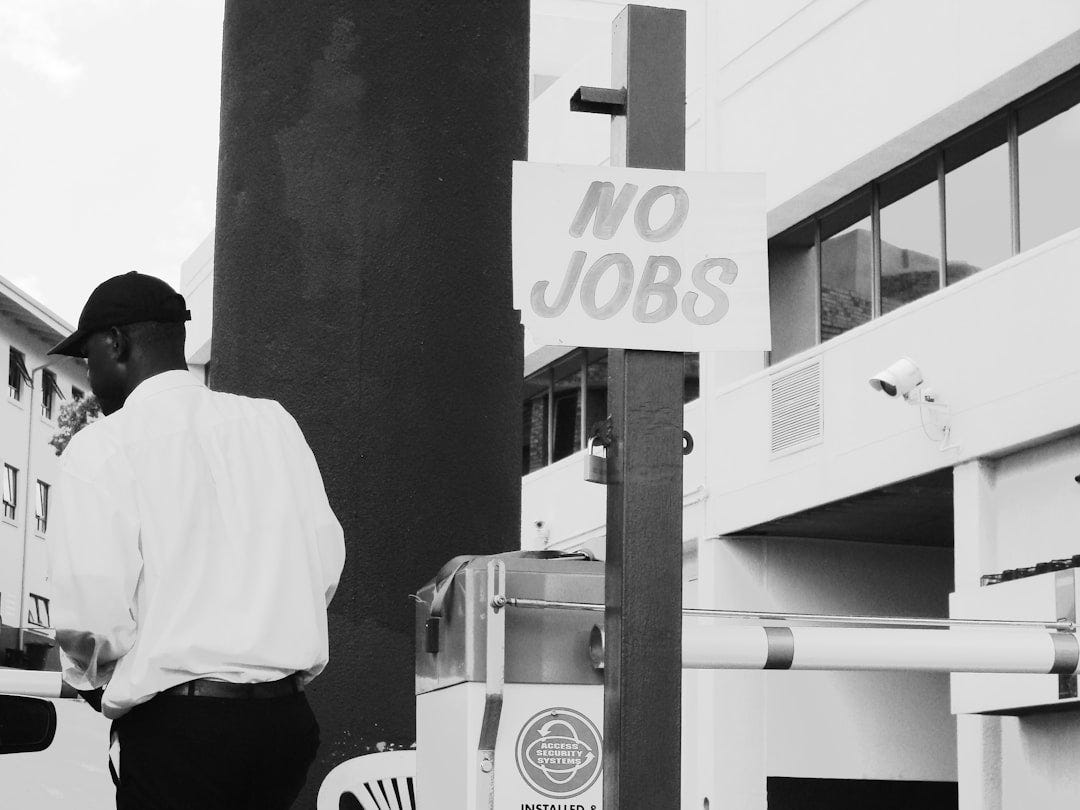
The latest official Office for National Statistics (ONS) figures show fewer people are officially counted as unemployed. That’s partly because thousands have simply stopped looking for work altogether. Students, carers and people with long‑term health problems have quietly slipped out of the labour force. Once you’re not actively job‑hunting, you’re not counted as unemployed, even if you still don’t have a job.
The number of people on employer payrolls barely moved, with 11,000 fewer workers in March. Vacancies have plunged to their lowest level in nearly five years. Employers aren’t hiring. They’re not sacking in the numbers expected either. Many are hanging onto people because recruitment is expensive, skills are scarce and no one knows expects the next few months to bring much in the way of cheer.
The ONS itself warns the data is still a bit unreliable thanks to survey changes and the low number of responses it gets from employers. We need to treat sudden drops with caution.
There’s also a lag between economic shocks and job losses. These figures aren’t counted in real time. The energy‑price spike triggered by the US–Iran conflict hasn’t fully hit yet. Forecasters still expect unemployment to rise to 5.8% within the next 12 months with around 250,000 more people out of work. The good news may be short‑lived.
Wages are going nowhere fast. Regular pay is up just 3.6%, the slowest rise in more than five years. Total pay, including bonuses, is barely any better at 3.8%. With inflation officially at 3.2% and creeping back up, that means workers are only just keeping their heads above water. The next set of inflation figures is likely to show wage growth falling behind inflation.
Why the slowdown? Hiring has stalled, vacancies are down, businesses are jittery about global tensions and rising costs and employers are tightening belts after being hit with higher National Insurance, minimum wage rises and business rates changes.
The public sector is doing slightly better with 5.2% pay growth, but that’s mostly down to the timing of earlier pay deals. The Bank of England now faces a nightmare balancing act: wage growth is cooling which is normally good for inflation, but energy prices are pushing inflation back up.
For our small firms: the cafés, florists, tradespeople and family‑run shops that keep the country ticking over. the picture is mixed.
Hiring gets a bit easier. Lower wage growth means small businesses aren’t being outbid by big corporates quite as often. More people are applying for jobs, and starting salaries aren’t shooting up. But keeping people gets harder because real pay is barely rising, so workers feel the squeeze. In cases where people aren’t seeing wages go up they ask for extra hours, take second jobs or jump ship for even tiny pay bumps.
Customers are tightening their belts too. With wages stagnating and bills rising again, households have less spare cash. That means fewer treats, fewer impulse buys and more people delaying haircuts, flowers, meals out and non‑essentials.
Raising prices is risky. Small firms already know customers are cautious about spending. With wage growth slowing, there’s even less room to pass on rising costs.
The jobs market looks better on paper than it is on the shop floor. For small businesses, the real challenge isn’t finding people. It’s keeping customers spending.
Here’s the detail of official unemployment and wage growth figures on 21st April 2026
The latest ONS figures show the UK unemployment rate unexpectedly dropping from 5.2% to 4.9% in the three months to February 2026. This is the lowest level since last summer proving wrong those forecasts that expected unemployment to rise due to the energy‑price shock and wider economic slowdown. Perhaps this is a case of unemployment down ‘so far’
What the figures show
The unemployment rate fell by 0.3 percentage points, reaching 4.9%.
Payroll data from HMRC shows employment was broadly flat, with a small drop of 11,000 payrolled workers in March, indicating weak hiring but not widespread job losses.
Vacancies have fallen to their lowest level in almost five years, but because unemployment also fell, the ratio of vacancies to unemployed people is largely unchanged.
Economic inactivity has risen, with fewer students and others actively seeking work.
Why unemployment fell despite economic pressures
The fall is surprising because most economic indicators point to a cooling labour market. Several factors help explain the drop:
1. Rising economic inactivity
A key driver is that more people have stopped looking for work altogether, Students, carers, and those with long‑term health conditions have thrown in the towel. When people leave the labour force, they are no longer counted as unemployed, which automatically reduces the unemployment rate.
2. Weak hiring but not widespread layoffs
ONS notes that payroll numbers have been “broadly flat,” meaning employers are not expanding but also not cutting staff at the scale expected. This stabilises unemployment even as vacancies fall.
3. Labour hoarding by employers
Although not explicitly stated in the ONS release, the pattern of flat payrolls and falling vacancies suggests employers may be holding onto staff due to:
persistent skills shortages in key sectors
the high cost of recruitment
uncertainty about future labour availability
This behaviour is consistent with previous periods of economic uncertainty.
4. Survey and data‑collection effects
The ONS continues to caution that Labour Force Survey data remains volatile due to methodological changes and lower response rates. This means short‑term movements, like the drop from 5.2% to 4.9%, should be interpreted carefully.
5. Lag between economic shocks and labour‑market adjustment
The energy‑price spike linked to the US‑Iran conflict is expected to hit the labour market later in 2026. Forecasts still predict unemployment could rise to 5.8% within a year, affecting around 250,000 people, meaning today’s fall may be temporary.
What this means for small and micro businesses
Hiring conditions may ease slightly, with fewer applicants competing for each vacancy.
Wage pressures are softening, as regular pay growth has slowed to its lowest rate in over five years.
Consumer demand may remain fragile, as wage growth is close to inflation and could soon fall behind it.
Future labour‑market tightening is still likely, meaning businesses should prepare for potential cost increases or reduced customer spending later in the year.
Wage growth has clearly slowed.
The ONS reports that regular pay (excluding bonuses) rose by 3.6%, down from 3.8% in the previous period, marking the lowest rate of regular wage growth in more than five years. Total pay (including bonuses) also cooled to 3.8%, down from 4.1%. This slowdown is broad‑based across the economy and reflects a weakening labour market: hiring has stalled, vacancies have fallen to their lowest level in nearly five years, and employers are becoming more cautious due to rising costs and geopolitical uncertainty.
What the figures say
Regular earnings growth: 3.6% (down from 3.8%)
Total earnings growth: 3.8% (down from 4.1%)
Real wage growth: Slightly positive (0.2%–0.4% depending on inflation measure), meaning wages are only just keeping ahead of prices
Public vs private sector: Public‑sector regular pay grew 5.2%, compared with 3.2% in the private sector, though public‑sector figures are still affected by earlier pay‑settlement timing effects
Why wage growth is falling
Weak hiring and falling vacancies reduce workers’ bargaining power. Employers are not expanding headcount and are instead holding steady, which limits upward pressure on wages.
Economic uncertainty, especially the energy‑price shock linked to the Middle East conflict, is making firms more cautious about pay settlements.
Rising business costs (NI increases, minimum wage rises, business rates changes) mean firms are prioritising cost control over pay growth.
Labour‑market cooling is now evident: payroll numbers are flat or falling, vacancies are down, and unemployment has dropped partly because more people have left the labour force rather than found work. This combination typically slows wage growth.
The ONS warns that wage growth may soon fall below inflation, which would squeeze household spending power and weaken consumer demand. With energy‑driven inflation pressures rising again, the Bank of England faces a difficult balance: wage growth is cooling (which normally reduces inflation risk), but external price shocks are pushing inflation back up.
What Falling Wage Growth Means for Small and Micro Businesses
The slowdown in wage growth has mixed consequences for small and micro businesses. It eases some pressures but creates new risks, especially around demand and retention.
1. Staffing: Hiring becomes slightly easier
Lower wage growth means:
Less upward pressure on starting salaries, making recruitment marginally more affordable.
More applicants per vacancy, as the labour market cools and job‑switching becomes less attractive.
Reduced competition from larger employers, who are also slowing pay awards.
For small firms that struggled to match big‑company salaries in 2023–25, this is a temporary window where hiring is less costly.
2. Retention: Risks rise as real pay stagnates
Even though wage growth is slowing, inflation is still eating into take‑home pay. That means:
Staff may feel financially squeezed, increasing dissatisfaction.
Retention risks rise, especially in sectors with traditionally low pay (care, retail, hospitality).
Employees may seek additional hours, second jobs, or side work, which can affect availability and performance.
Small firms will need to lean more on non‑pay retention levers: flexibility, predictable hours, progression pathways, and culture.
3. Consumer and customer spending: Demand becomes more fragile
Slower wage growth means households have less disposable income, especially with energy and food prices rising again. For small and micro businesses, this translates into:
Lower discretionary spending in salons, florists, cafés, personal services, and retail.
More price sensitivity, with customers trading down or delaying purchases.
Longer sales cycles for higher‑value items or services.
Greater volatility in weekly and monthly revenue.
This is the area where the impact will be felt most sharply.
4. Pricing: Less room to increase prices
With consumers under pressure:
Small businesses have less ability to pass on cost increases.
Price rises risk losing customers, especially in competitive local markets.
Firms may need to focus on value‑based pricing, bundles, loyalty offers, or smaller‑ticket options.
At the same time, falling wage growth slightly reduces cost pressures, giving businesses a bit more breathing room on margins.
5. Overall impact: A cooling economy with tight margins
For small and micro businesses, the combination of slowing wage growth and falling vacancies signals a labour market that is stabilising but not strengthening. The biggest challenge will be demand, not staffing.
In short:
Hiring gets easier
Retention gets harder
Customers spend less
Pricing power weakens
Cashflow becomes more fragile
Share: