
Food crisis could be small business’s big opportunity
24 August 2026
·
Liz Barclay
Share:
Britain’s small firms could help feed the nation
The rain may be back and the heat easing, but Britain’s food-security problem hasn’t gone away. Drought, extreme weather and vulnerable global supply chains have exposed just how dependent we are on food travelling long distances before reaching our plates. That creates a huge opportunity for small businesses. From growers and processors to cold storage, packaging, distribution and food technology, Britain’s micro firms could help build shorter, stronger local supply chains. Food security isn’t just a farming problem. With the right investment and support, it could become a new engine of small business growth.
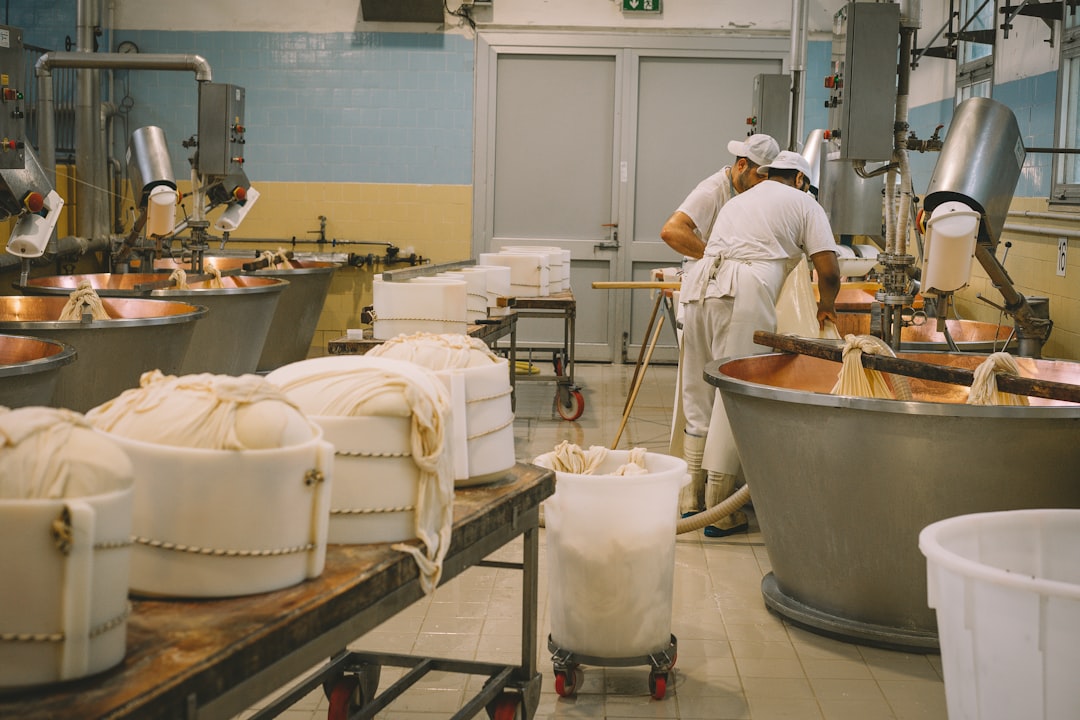 RAIN RETURNS, HEAT EASES, FOOD HIGHLIGHTED
Small businesses in the food production sector in the UK could be front and centre of leading us to food security.
Never waste a crisis as they say, so now is the time for small and micro businesses to position themselves as the solution to our emerging food security crisis.
The rain returning and heat easing across Europe is a reminder of how fragile food supply chains have become and how much the UK needs local, resilient, flexible producers and suppliers.
The UK has just come through another period of extreme heat and drought risk, while Europe has battled crop damage, water shortages and disrupted harvests. As the weather breaks, the next question is: how do we build long‑term food security and what role can small businesses play?
This could be a much bigger role than government currently understands. Small and micro businesses can strengthen food security by diversifying supply, shortening supply chains, and building local resilience:
Opportunities
The UK is increasingly exposed to European crop failures, global heatwaves, disrupted imports and rising transport costs. We’re importing smaller and more expensive crops of vegetables and grains. Food price inflation is lower than general inflation at 1.3% (general inflation was up to 2.9% in July). This is because the retailers have been trying to hold food prices down through heavy discounting but lower yields due to drought is likely to make that much less likely in months to come. All of these pain points create demand for local producers, local processors, and local distributors.
There are opportunities for small businesses and micro‑growers to supply restaurants, schools, care homes, and local bakeries, butchers, brewers and food makers using UK‑grown ingredients. There’s room for community‑supported agriculture schemes and local delivery hubs replacing long‑haul logistics. Shorter supply chains result in fewer shocks.
Diversification
As weather patterns shift, demand is rising for:
drought‑tolerant crops
greenhouse‑grown produce
vertical‑farm suppliers
regenerative farming inputs
water‑efficient growing systems
Small businesses can:
partner with growers
supply equipment
offer consultancy
create new product lines
test niche crops that big farms won’t risk
Micro‑innovation is where resilience starts.
Partnerships
Farmers are under pressure from unpredictable weather, rising costs, labour shortages and volatile markets as are many other sectors in the UK. They need local everything, such as processors, packaging firms, logistics, retailers, tech support and marketing and distribution partners. Small businesses can plug these gaps quickly and flexibly and that may also play a part in regenerating economies in rural areas.
Investment
Food security isn’t just about growing food. It’s also about moving it, storing it and processing it. The big charities have, for years, said the world has enough food to go around but the distribution globally is a big problem.
Micro‑business opportunities include cold‑storage units, small‑scale processing (jams, pickles, dried goods, milling), local distribution hubs, last‑mile delivery and packaging and preservation services. These are areas where small firms could, with the right support, scale fast.
Funding
Food security is rising up the agenda. Expect funding for:
local food hubs
community growing
regenerative farming
rural business support
climate‑resilience projects
innovation pilots
Small businesses could:
register interest early
join local food partnerships
engage with councils and LEPs
position themselves as “resilience builders”
Those who show up early with innovative ideas and practical solutions will get the grants.
Rising demand
Consumers are increasingly:
wary of imports
concerned about food miles
supportive of local producers
willing to pay for resilience
This is a branding opportunity.
Small businesses could:
emphasise local sourcing
tell the story of resilience
highlight sustainability
build community loyalty
Food security is becoming a selling point.
Supply‑chains
Large retailers and manufacturers are already shortening supply chains and looking for UK suppliers and backup producers. They are diversifying risk.
Small businesses can position themselves as flexible backup suppliers, niche producers, specialist processors and local logistics partners
Brining production, processing and logistics back to the UK creates openings for micro‑firms that can move fast.
Whole economy issue
The easing heat and returning rain don’t solve the UK’s food‑security problem. They highlight it. For small and micro businesses, this could be the opportunity to diversify, partner locally, invest in resilience, explore new crops and products, build storage and processing capacity, and position themselves as part of the UK’s food‑security infrastructure and solution. For local business support organisations and local authorities with funding for small and micro businesses this could be the opportunity to lead the way on projects that will safeguard the UK’s food future.
Food security isn’t just a farming issue. It’s a whole‑economy opportunity, and small businesses are central to it.
Share: