
From coffee to Christmas stock: El Niño could hit your bottom line
22 September 2026
·
Liz Barclay
Share:
The world's weather is changing – is your small business ready?
From coffee to Christmas stock: El Niño could hit your bottom line
An extraordinary El Niño is building thousands of miles away in the Pacific, but Britain's small businesses would be wrong to assume it has nothing to do with them. The World Meteorological Organization says the event could become the strongest on record, while the Met Office describes it as “unprecedented”. You can't predict whether it will rain outside your shop in November from the temperature of the Pacific, but El Niño can disrupt crops, commodities, supply chains and weather around the world. That's when something happening in the ocean thousands of miles away starts appearing on your invoices.
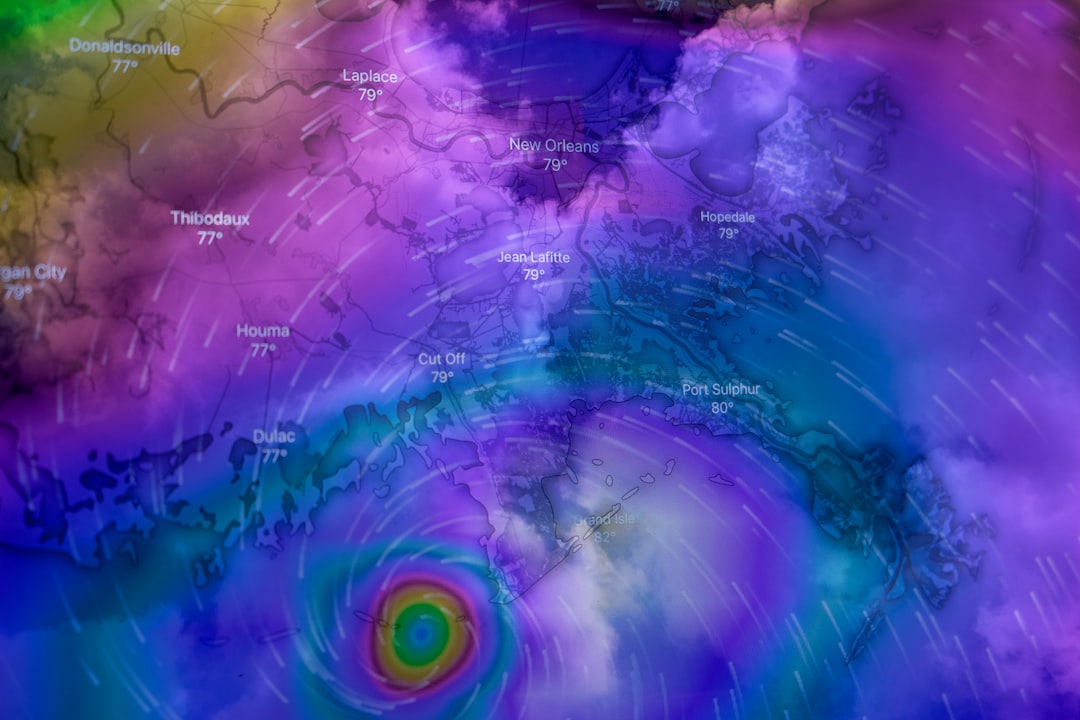 EL NIÑO IS SUPER‑SIZING BEFORE OUR EYES
The UK’s small and micro businesses would be wrong to think the advancing weather event is nothing to do with them.
Meteorologists say El Niño is intensifying at a scale not seen in decades. For the UK, this is about business and the economy as well as weather and households. It’s a weather event that will affect costs, customers, supply chains, infrastructure and resilience and as with any impending crisis, may present opportunities for some.
A super‑charged El Niño means more extreme weather patterns across the globe. For the UK, that translates into volatile winters, disrupted summers, higher energy costs, unstable supply chains and unpredictable consumer behaviour.
Small and micro businesses, already stretched by inflation, fuel costs and weak demand, will feel the impact.
More Unpredictable Weather
More heavy rainfall, flooding and storm damage with fewer cold snaps but more moisture, puts pressure on transport, construction, agriculture, outdoor work and high‑street footfall.
El Niño often disrupts the jet stream, leading to washout summers, fewer heatwaves and unpredictable weather swings which affect everything from tourism, hospitality and events to outdoor retail and seasonal businesses.
Droughts, storms and crop failures in other parts of the world disrupt supply chains and affect the UK with higher food prices, shortages of raw materials, shipping delays and volatile import costs. UK small businesses relying on overseas stock could be badly affected.
Extreme weather affects gas production, electricity demand and global fuel markets. Energy volatility hits small businesses hardest because they lack fixed‑rate contracts and bargaining power.
More extreme weather means pushes up premiums, leads to stricter conditions for claims, more exclusions on policies and slower payouts. Micro businesses with tight margins are most exposed and need the insurance money quickly or they can’t rebuild their businesses and customers have gone elsewhere.
Small and Micro Businesses Face:
Higher operating costs
Fuel, energy, insurance, materials and food prices all rise during El Niño events. Small businesses can’t absorb these costs and have no alternative but to adjust pricing or reduce overheads.
Disrupted customer behaviour
Weather volatility changes footfall, booking patterns, tourism flows and seasonal demand. High‑street businesses have to cope with less predictable peaks and troughs.
Supply chain instability
Delayed deliveries, higher shipping costs, shortages of key materials and sudden price spikes become the norm. Micro businesses need backup suppliers and flexible stock strategies.
More downtime and cancellations
Storms, floods and transport disruption mean missed appointments, cancelled jobs, delayed projects and people unable to travel. This is particularly hard on trades, home‑based businesses, mobile services and hospitality.
Increased risk to premises and equipment
Flooding and storms threaten stock, machinery, vehicles, IT equipment and premises and small businesses often lack the reserves to recover quickly.
Battening Down the Hatches
Small and micro businesses need to do anything they can to build weather‑resilient operations, strengthen cashflow, adjust their pricing, use digital tools to manage demand and communicate clearly with customers. Customers accept disruption when businesses explain it and transparency builds loyalty.
A super‑sized El Niño means more volatility, disruption and cost pressure for the UK’s small and micro businesses. With preparation and stronger cashflow, diversified suppliers, digital tools, and flexible operations, they can stay resilient and might even spot opportunities in the chaos.
Share: