
Fuel duty bombshell looms after Treasury's £1bn windfall
20 August 2026
·
Liz Barclay
Share:
Drivers fear New Year tax sting at the pumps
Britain's drivers have already handed the Treasury an extra £1 billion as soaring fuel prices sent VAT receipts through the roof. Now millions are bracing for another blow, with the Government still planning to end the 5p-a-litre fuel duty cut in January despite motorists already paying an estimated £6 billion more at the pumps since the Middle East conflict drove up oil prices.
Tradespeople, delivery drivers, hauliers and small businesses have borne the brunt of the surge, with diesel users hit hardest. As the Budget approaches, pressure is mounting on the Chancellor to ditch the planned fuel duty rise and spare families and businesses yet another hit to their finances.
FUEL DUTY FRAY
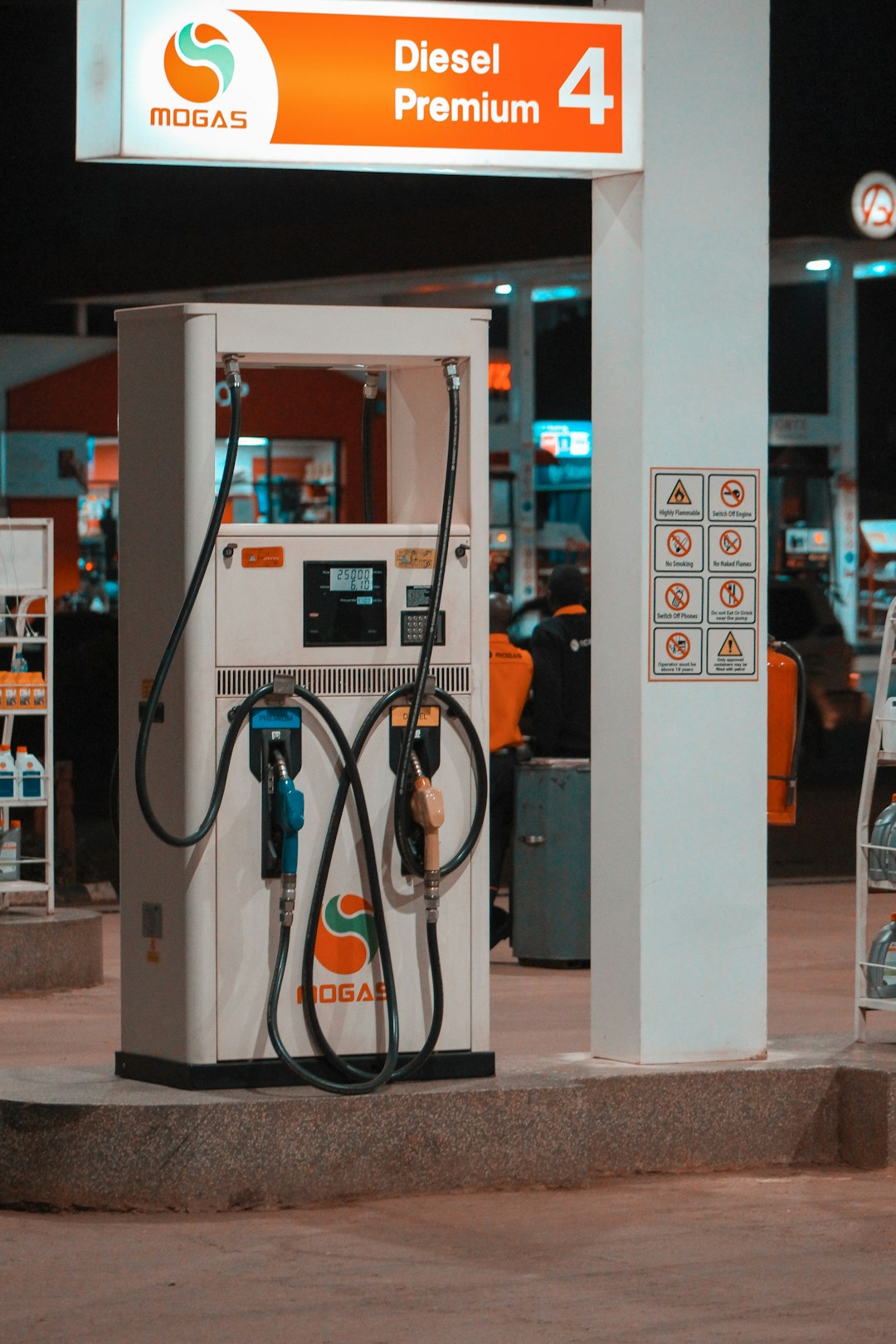 Soaring prices at the pumps, pushed up by the conflict in the Middle East, have given the Treasury a £1 billion windfall as drivers have paid the price.
The £1bn VAT windfall figure is drawn from RAC Foundation analysis and shows Labour has raked in the extra £1billion since the Iran war sent pump prices soaring, with motorists shelling out a staggering £6billion more for fuel since the conflict erupted on 28 February.
Because VAT is charged at 20% of the pump price, every jump in petrol or diesel hands the Treasury a bigger slice and the Iran war has turned that slice into a windfall. That’s raised all sorts of debate about Government plans to end the Fuel Duty reduction in January. The 5-pence a litre reduction has been in place since 2022 and was meant to last one year. All the deadlines for lifting it have so far passed without action. Might the Chancellor John Healey really dare to be the Chancellor to hike Fuel Duty in January?
Pressure is mounting on him to scrap the Fuel Duty hike again, with families warning they cannot take another blow to their cost of living.
Chancellors keep backing down
2023: Jeremy Hunt said it would end and then extended it.
2024: Hunt again said it would end and then extended it.
2025: Election year and politically impossible to raise fuel duty so it was extended again.
2026: Labour inherits the same expiry date and says it will end on 1 January 2027.
Fuel Duty rises are the tax hike no Chancellor wants to own.
Everyone hit
Fuel Duty rises hit everyone: drivers, tradespeople, hauliers, delivery firms, rural communities, all get hit instantly.
Pump prices are already sky‑high because the Iran conflict has pushed fuel costs back to crisis levels. Fuel Duty rises feed inflation with higher transport costs, leading to higher food prices meaning higher inflation.
No Chancellor wants to be blamed for hammering drivers. This is why the cut has survived four years of “temporary” extensions.
Diesel drivers hit hardest
The RAC Foundation’s analysis shows diesel drivers including tradespeople, delivery firms and hauliers paid £4.3bn extra and that alone generated £713m in extra VAT for the Treasury. Petrol drivers made up the remaining £287m of the £1bn windfall
For small businesses already battling energy costs, late payments and rising insurance, the diesel spike has been brutal.
Fuel Duty Rise in Jan 27?
Labour has said the 5p cut will end on New Year’s Day. Given the £1bn VAT windfall and the £6bn extra drivers have already paid, the chances of Healey pulling the trigger are uncertain at best. Will he, like every other Chancellor since 2022, blink at the last minute. Healey is already under pressure to use the windfall to help families. Motoring groups, business leaders and opposition MPs say the Chancellor should:
scrap the January Fuel Duty hike
extend the 5p cut
protect hauliers and tradespeople
ease cost‑of‑living pressures
support small businesses facing diesel‑driven inflation
They argue families have already paid the price for the Iran conflict, and the Treasury has already taken its share.
Political balancing act
Labour says it needs revenue to fund the Prime Minister early spending commitments. Critics say the Government cannot claim to be “hands‑on” and “helping families” while planning a tax rise that hits every driver in the country, especially when the Treasury has already pocketed an unexpected additional £1bn. As ever, the debates will go on right up until an announcement is made in the Budget on 28th October.
The Iran war may have sparked the pump price surge. Whether drivers get hit again in January is entirely in the Chancellor’s hands. He can use the windfall to help families or punish them again when they can least afford it.
Share: