
Inflation hits 2.9% as energy bills bite again
23 August 2026
·
Liz Barclay
Share:
Small firms brace for another inflation squeeze
Inflation is climbing again, hitting 2.9% in July as higher energy and fuel costs feed through to household bills. But for small and micro businesses, the official figure tells only half the story. Their own costs can be rising considerably faster while customers have less money left to spend. With interest rates unlikely to offer much immediate relief, small firms face a difficult autumn squeezed between higher bills, weaker demand and almost no room to put their own prices up.
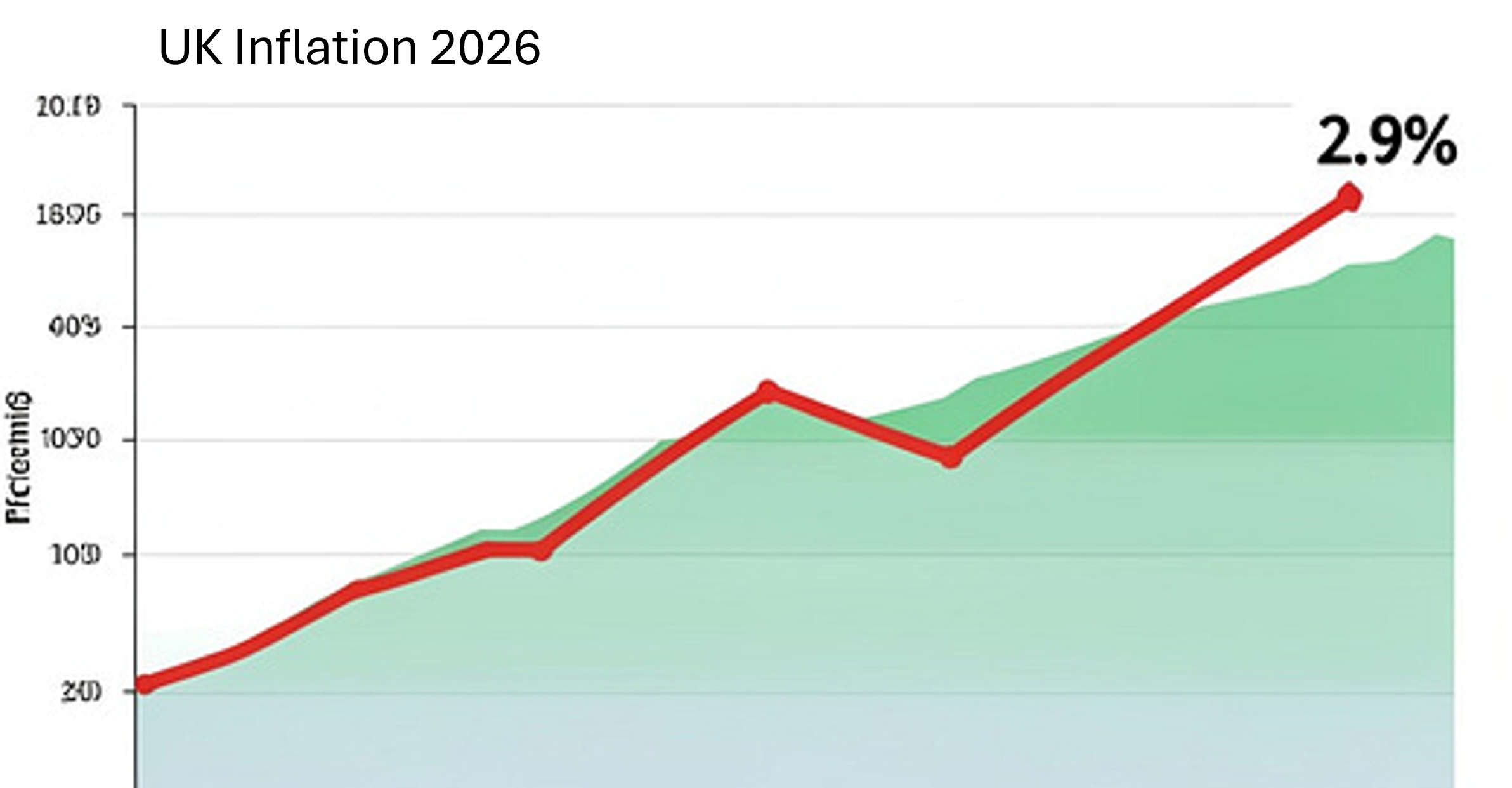 AS EXPECTED, INFLATION UP TO 2.9%
Inflation rose to 2.9% in the 12 months to July, up from 2.6% in the 12 months to June. The increase is down to energy costs linked to the Iran war, which pushed up gas and electricity bills after Ofgem’s 13.5% price‑cap rise in July. This was the biggest jump in gas prices in almost four years, driven by global energy market disruption.
Other things did contribute such as petrol and fuel costs (again down to the Middle East conflict). Furniture and clothing prices didn’t fall as much as usual in summer sales, and energy‑linked costs fed into household bills more visibly than earlier in the year
Energy inflation is doing the heavy lifting rather than a broad‑based rise in prices. Food inflation is down again to 1.3 per cent last month, down from 1.7 per cent in June. It’s at it’s lowest point since September 2021. Food price inflation was expected to soar this year but retailers say they are keeping a lid on prices with heavy discounting. That could change though given the impact of drought across the UK and Europe on food yields.
For small and micro businesses inflation is often higher
Headline inflation rates are all about the rate at which prices are rising for households. In the case of small and micro businesses the inflation they’re experiencing is often much higher than that because business materials are rising in price much faster.
Higher operating costs remain a problem. Energy‑intensive businesses (hospitality, retail, salons, care providers) will continue to feel pressure as gas and electricity costs rise again.
Customers have less disposable income again. When energy bills rise, spending on small‑business services falls first and cafés, florists, salons, trades, local retail all feel the squeeze.
Pricing decisions get harder. With inflation rising but demand weakening, small firms have less room to raise prices without losing customers.
Cashflow pressure increases. Higher costs and cautious consumers mean tighter margins. This is especially tough for micro‑businesses already dealing with late payments and higher borrowing costs.
Interest Rates
Economists are warning that inflation may rise further later in the year, meaning small businesses should prepare for even fewer customers, higher bills and continued wage pressure.
Most economists expect another rise, with inflation likely to move above 3% later this year because energy prices are still high and the Middle East conflict is continuing to disrupt supply. Petrol and gas costs are still rising and Ofgem’s price cap changes feed through gradually.
The Bank of England itself forecasts inflation above 3% in upcoming months and the majority of economists expect the Bank tp hold interest rates at 3.75% for the rest of the year, despite inflation rising, even though there had been optimism earlier in the year that we’d have lower interest rates by now. The jobs market is softening (unemployment stuck at 4.9%) and as we saw in figures on 18th August wage growth is slowing down, particularly in the private sector. The Bank believes the inflation spike is energy‑driven, not a sign of overheating demand.
However, he risk of a rate rise hasn’t gone away. Three MPC members voted for a rate rise last month, and markets still price in a possible quarter‑point increase if energy inflation persists. Economists expect at least one rate cut by mid‑2027 but not before inflation clearly falls back.
A tough autumn
Inflation is rising again because of energy costs, not general price pressure. Small businesses will face higher bills and weaker customer spending. The next inflation figures are likely to be higher, not lower, and interest rates are likely to stay put, but a rise is still possible if energy inflation persists. Autumn will be challenging so we need to plan for tighter cashflow, cautious customers and continued cost pressure.
Share: