
Inflation jumps as fuel costs squeeze small business margins
21 October 2026
·
Liz Barclay
Share:
Pump prices pile on the pain for Britain’s small firms
Another fill-up, another dent in the profits. Inflation has climbed to 3.5%, with fuel costs helping drive the increase, leaving small firms squeezed between rising bills and customers reluctant to spend. The prospect of higher borrowing costs adds another worry to an already difficult winter.
INFLATION JUMPS
Inflation has risen again. The latest figures (21st Oct) show it climbing from 3.1 per cent to 3.5 per cent, slightly above the forecast of 3.4 per cent. It may seem a small increase, but it shows yet again that inflation is proving sticky, and the pressures behind it are shifting.
For small and micro businesses already dealing with rising costs, weak demand and tight margins, this latest rise is another warning sign that the road ahead won’t be a walk in the park.
What’s driving inflation up?
The rise to 3.5 per cent is mainly down to higher transport costs, especially petrol and diesel. Fuel prices have been climbing for months, driven by the global energy uncertainty and geopolitical tensions. When fuel rises, everything rises from deliveries and supply chains, to logistics, trades, and everyday business travel.
There were also increases in core inflation and services inflation, which means the underlying price pressures in the economy are rising too. Care inflation is an important figure because it’s takes out food inflation which is steady at 1.3%, and energy which has been up and down all year. Core inflation is up at 2.8% and when core inflation rises, it suggests domestic costs, wages, rents, services are still pushing prices up.
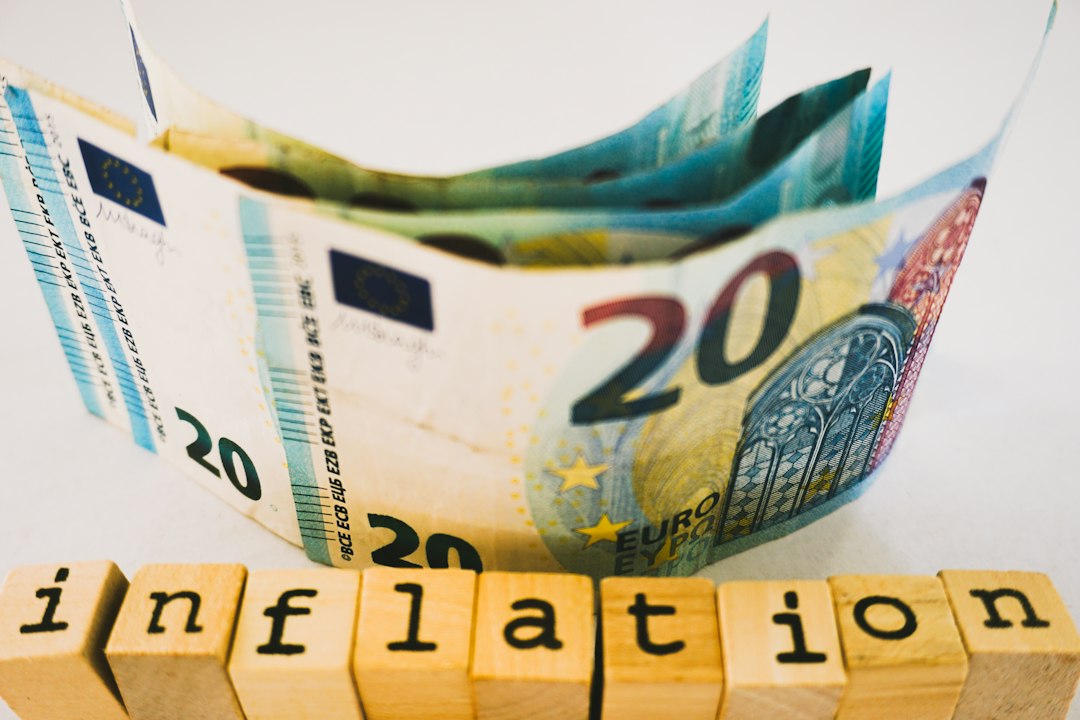
Photo by Paul ACat on Unsplash
Core inflation
Core inflation has ticked up to 2.8%. That means the underlying trend is moving in the wrong direction. Core inflation matters because it is harder to bring down. It reflects the prices businesses set and the wages they pay. When core inflation rises, the Bank of England pays attention.
Businesses inflation
Small businesses always experience inflation differently from the headline number. They say that their input costs are still rising. Energy‑intensive materials are expensive, and weak demand is limiting how much of the cost increases they can pass on. Retail competition is forcing prices down even as costs rise, because retailers need to get people through the doors and shift stock before the festive season.
Inflation is still biting hard, especially in sectors like hospitality, construction, manufacturing and consumer‑facing retail. Inflation feels higher than the official rate, because the main costs for businesses are energy, materials, wages and transport, and those are the areas where prices are still high or rising.
Interest rates
The rise in inflation to 3.5 per cent makes an interest rate increase more likely, but not a sure thing until the ink has dried on the announcement. The Bank of England’s rate setting committee decides in November but with core and service inflation rising, fuel prices high and the rise in inflation more than was expected, some committee members already want interest rates increases.
However, the labour market is weakening, wage growth is slowing, vacancies are falling and demand is low, so businesses are struggling. That’s quite a few reasons to consider keeping the interest rates as they are.
The Bank of England will be watching closely for signs that energy prices is feeding into wages and domestic price‑setting. If they see that happening, a rate rise becomes more likely.
Right now, the probability of a rate rise before year‑end has increased but the debate will be finely balanced.
Caution Rules
Inflation has risen to 3.5 per cent because fuel prices jumped and underlying price pressures increased. Core inflation is rising too, which is a warning sign. Small businesses say inflation remains very real in their sectors, especially where energy, materials and wages dominate. This rise makes an interest rate increase more likely, but not guaranteed, because the economy is weakening even as inflation edges up.
Inflation is not a thing of the past, costs are still rising, demand is fragile and small businesses will need to do a lot of careful cashflow management and cautious planning over the next few months.
Share: