
Price rises and falling confidence put small firms on stagflation alert
19 October 2026
·
Liz Barclay
Share:
Costs up, capacity down – SMEs sound alarm over Britain's economy
Punchy intro
Britain's small manufacturers are being squeezed from both directions. Almost four in five say rising labour and raw-material costs are pushing them towards higher prices, while businesses are still struggling to operate at full capacity. It is precisely the combination policymakers should fear: prices rising while the ability of businesses to grow remains stubbornly weak.
FRESH FEARS OF STAGNATION
Small and medium businesses are warning of the likelihood of stagflation as costs rise and confidence falls.
The UK is drifting toward stagflation according to a new survey from skills charity Enginuity. Nearly 80 per cent of small and medium sized businesses are under pressure to raise prices because labour and raw material costs keep climbing. For the first time since Enginuity began tracking business sentiment, almost three quarters of firms say they will pass these costs directly to customers. Customers are tightening their belts at the same time so demand is falling. Stagnation is a real possibility.
This is a warning sign for the wider economy. When businesses raise prices while output stalls, inflation becomes harder to control and growth slows. The survey shows that two thirds of small and medium businesses are not operating at full capacity for the second year running. This is a direct challenge to the Government’s ambition to lift productivity and drive growth.
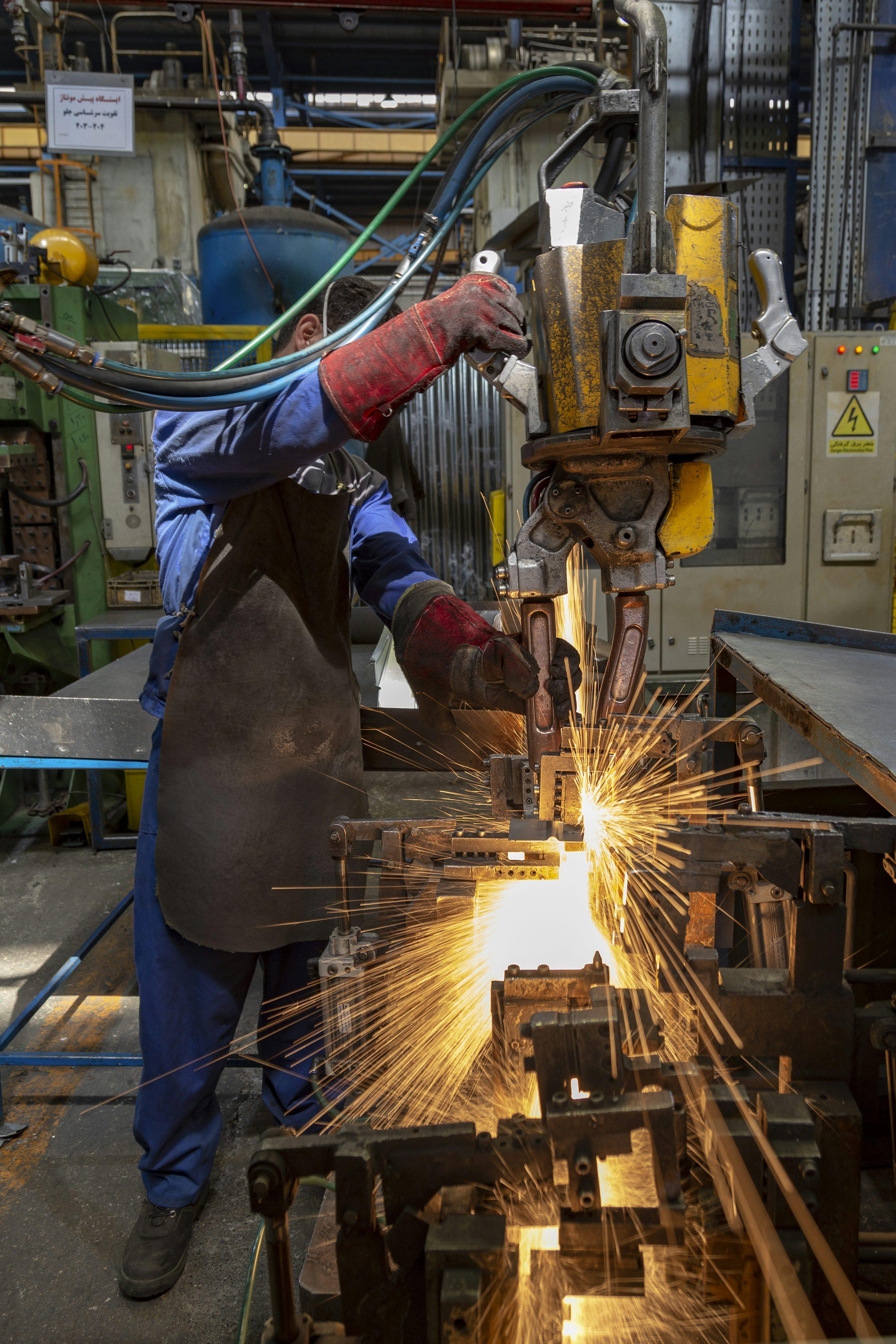
Photographer: Alireza Hatami Unsplash photo ID: zekShM5_K64
Stagnation
Stagnation is when the economy stops growing and activity flatlines. Its impact is rising business costs, weaker demand, falling confidence and a higher risk that inflation stays stubborn even as revenues stall.
Skills
Skills are now firmly back on the political agenda. The Milburn Commission is preparing recommendations on how to support more than one million young people who are looking for education, employment or training opportunities. Government has also announced new plans to extend work experience and skills training to 14 to 16 year olds, alongside curriculum changes and new vocational qualifications.
Enginuity says the UK’s engineering and manufacturing sectors are losing an estimated £5.2 billion a year because skills gaps prevent firms from optimising production. Less than 40 per cent of businesses feel confident about the next three to five years. Financial constraints remain the biggest barrier to investing in skills development.
Ann Watson, CEO of Enginuity, says the survey shows how close small and medium businesses are to reaching their limits. She says they can’t hold back price rises any longer and can’t reach maximum production. She warns that the Chancellor must act in the upcoming Budget to help small businesses afford to hire and train staff. She also says the Milburn Commission must address the reasons employers hesitate to recruit, even when they are willing to train.
Disconnect
The report highlights a disconnect between Government policy and small business reality. Almost two thirds of small and medium business owners say they do not fully understand the support available for skills. Only 10 per cent believe new apprenticeship units will close current skills gaps.
Costs are rising; capacity is falling and confidence is weakening. Without urgent action to reduce skills shortages and support investment, the UK risks sliding into a period where inflation stays high and growth stays low.
Share: