
Prices rise, margins shrink and the Chancellor’s room runs out
23 October 2026
·
Liz Barclay
Share:
Inflation jumps as pubs warn they cannot stomach more tax
Prices rise, margins shrink and the Chancellor’s room runs out
Prices are climbing again, customers are counting their pennies and businesses say there is nothing left to squeeze. With inflation at 3.5%, the Chancellor faces a Budget balancing act: help households through the cost-of-living squeeze without adding to the bills threatening the businesses that employ them.
WALKING THE TIGHTROPE
The rise in inflation to 3.5% just announced (21 Oct) is a blow to a Chancellor already struggling to please anyone with his Budget.
A Budget tug‑of‑War is playing out in the newspapers as economists expect tax rises, and businesses say we can’t take any more.
On one side, the former Chief Economist of the Bank of England says he expects higher taxes and a Budget focused on cost‑of‑living support. He isn’t calling for tax rises; he’s predicting them. His view is that the Chancellor will prioritise households, inflation pressures and fiscal stability over business relief. Given that the latest inflation figures show inflation has risen to 3.5% for the year to September, up from 3.1% driven by energy and fuel costs, the Chancellor has a week to scratch his head and come up with a plan.
On the other side, Greene King’s finance chief says the hospitality sector is at breaking point and can’t absorb any more tax increases. Costs have exploded, margins have collapsed, and the industry is warning that further tax pressure could force closures across the country. Businesses can’t afford to pass on any most cost increases to their customers because their, especially domestic consumers, don’t have anything left in the tank either.
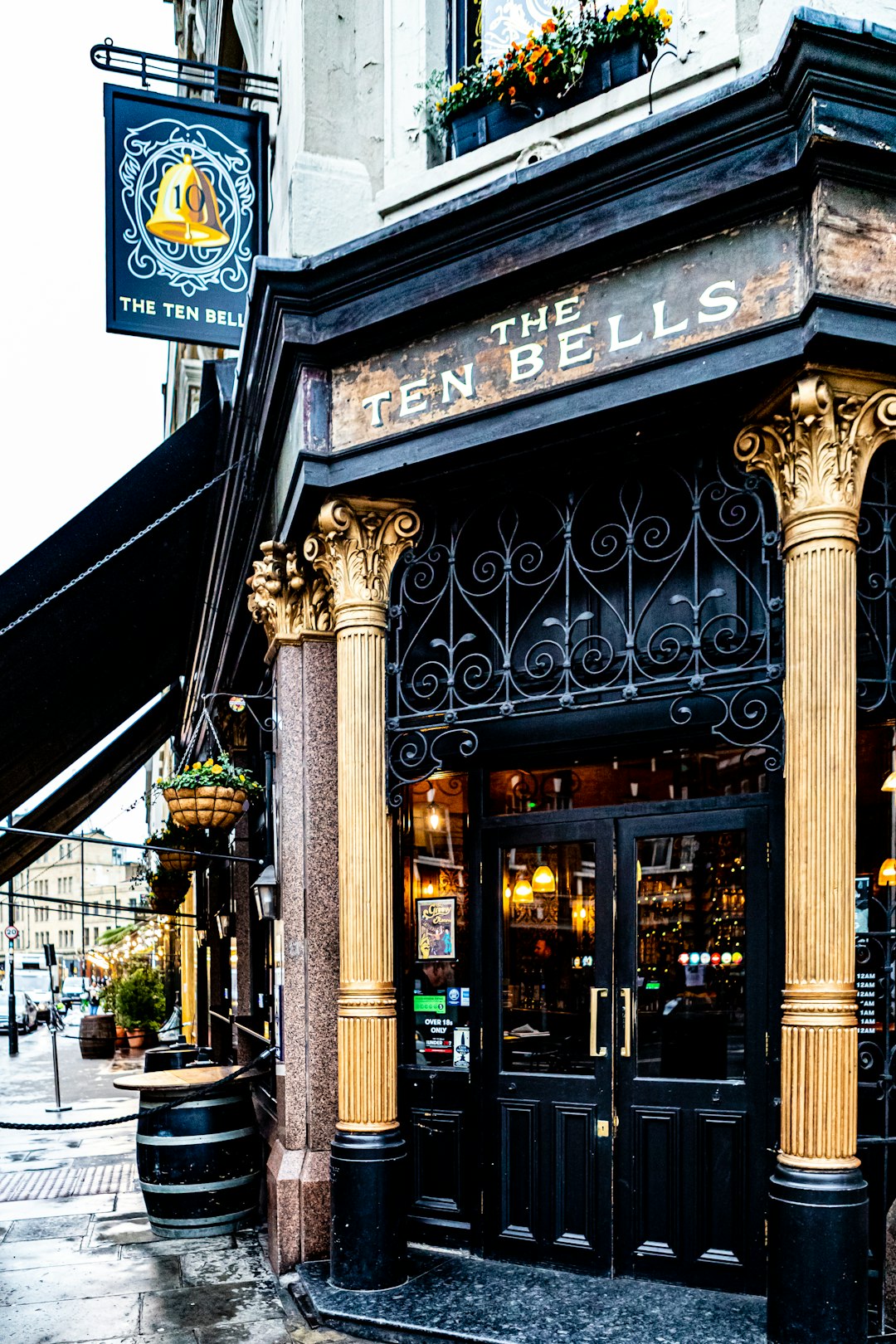
Photo by Hulki Okan Tabak on Unsplash
Real tension
Economists expect there will be tax rises. The Greene King boss has articulated the realities in the pub and hospitality sector, and those realities exist in most sectors. Businesses say tax rises will break them. The Chancellor is stuck between these two realities.
The former Bank of England economist’s view is that the Budget will be shaped by a need to support households still struggling with the cost of living and to avoid fuelling inflation any further. The Bank of England’s target for inflation is 2% and the latest 3.5% figure pushes that ambition further into the future. This means the Chancellor is likely to deliver higher taxes or frozen thresholds, limited giveaways, targeted support for vulnerable households and a cautious tone rather than a pro‑business push.
That’s not what businesses want. Greene King’s finance chief has laid out the numbers clearly:
Since 2019: Inflation has added four hundred million pounds to costs. Hourly pay has risen by more than sixty per cent. Energy and water bills have risen by half. Business rates cost sixty million pounds a year. The pubs in the chain make just twelve pence profit on a pint.
These pressures are forcing pubs to delay investment, cut hiring and rethink how they serve their communities. Even Andy Burnham’s twenty per cent business rates cut for pubs, worth about eleven hundred pounds per site, barely scratches the surface.
The industry wants:
A cut in VAT from twenty to ten per cent
A reversal of employer national insurance rises
Further business rates relief and
Support for youth employment.
Healey’s Choice
If the Chancellor follows the economist’s expectations, he’ll deliver a Budget that is tight, cautious and focused on households. That means higher taxes or frozen thresholds and very limited business support.
If he follows the hospitality sector’s warnings, he will need to cut VAT, reduce employer national insurance and ease business rates, all of which cost money and risk undermining fiscal discipline.
A Compromise
A compromise may be a Budget that talks about growth but doesn’t deliver sweeping business support. Some tax rises or threshold freezes and small, targeted relief for hospitality perhaps. No major VAT cut or full reversal of employer national insurance. Hospitality may get something, but not enough.
If the Budget leans towards households rather than businesses, small firms will face another year of tight margins, difficult decisions and slow hiring.
A former Bank of England economist expects a Budget with higher taxes and cost‑of‑living support. Hospitality leaders warn they can’t survive any more tax pressure. The Chancellor can’t fully satisfy both sides. Expect a Budget that is cautious overall, with limited, targeted support for hospitality and other struggling sectors. It won’t feel pro‑business but may be just enough to provide enough breathing space to survive the winter and plan for 2027.
The tension between economic caution and business survival will define the year ahead.
Share: