
Pub protection won’t stop Britain’s closures
28 August 2026
·
Liz Barclay
Share:
You can save the pub but not the business
Pub protection won’t stop Britain’s closures
Ministers may make it harder for developers to turn pubs into flats, shops and offices, but protecting the building won’t save the business inside it. Britain is losing pubs at an alarming rate because landlords are being crushed by energy bills, business rates, wages, employer NICs, insurance and customers with less money to spend. Planning reform could stop a much-loved local disappearing under a developer’s bulldozer. But unless government tackles the cost of actually running a pub, it risks protecting thousands of buildings whose bars have already served their last pint.
Changing the rules on pub buy‑outs may help, but it won’t stop pubs closing.
The new rules announced by the Government might tackle one cause of pub closures: predatory development, but it won’t fix the far bigger crisis: the cost of running a pub in 2026. We’re losing almost 2 pubs a day in the UK in 2026 and the main reasons are the cost of doing business and the cost of living.
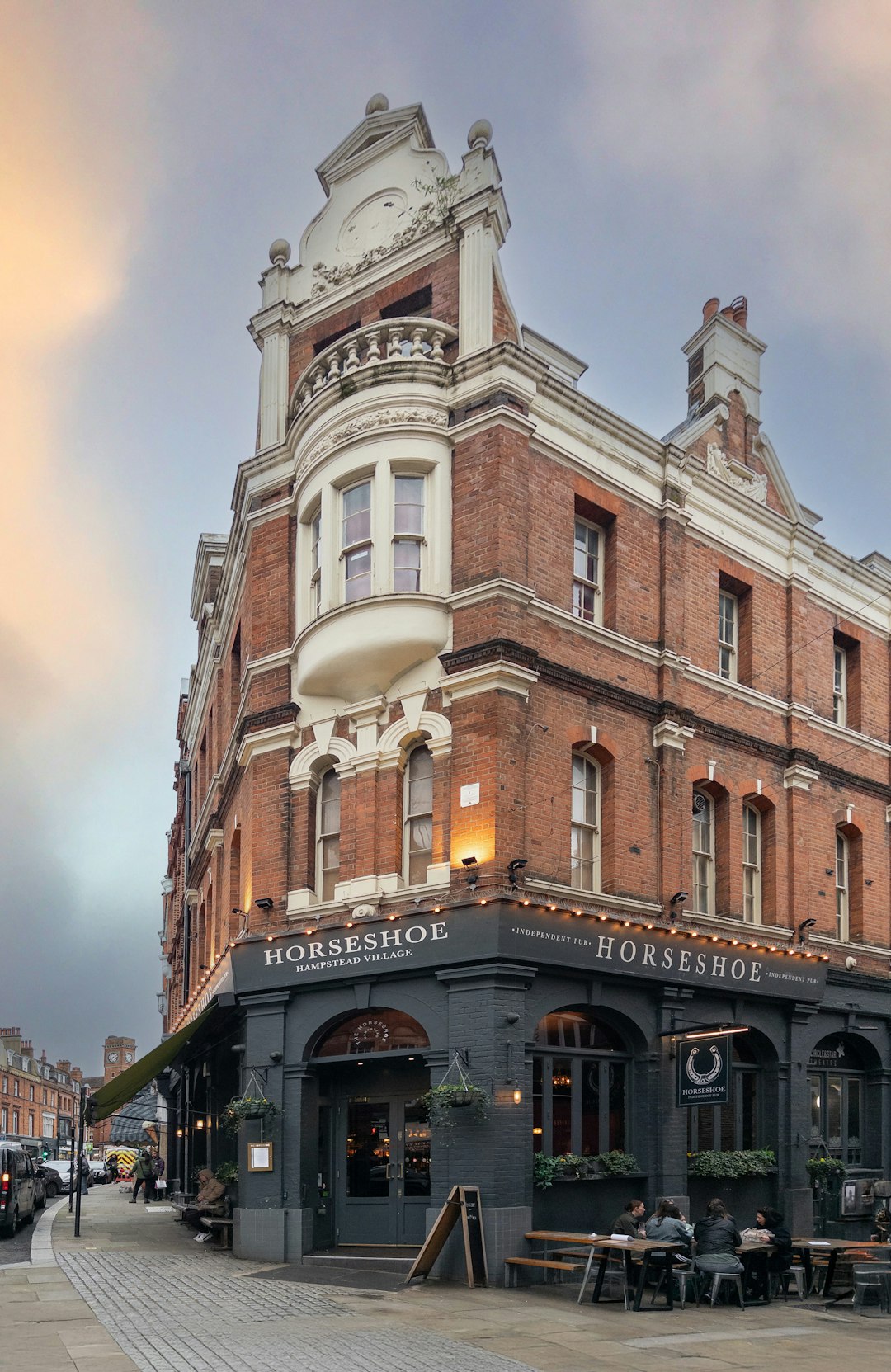 New Rules
The government’s plan to make it harder for developers to snap up pubs and turn them into flats, offices or convenience stores has been welcomed by campaigners. It stops the worst kind of “pub snatching”, where a profitable or culturally important pub disappears overnight because the land is worth more than the business. Stopping developers won’t stop pubs closing. It only stops what happens after they close.
The real reasons pubs are shutting are economic and they’re killing the trade:
Energy bills
Even after temporary support schemes ended, many pubs are still paying 2–3× their pre‑2021 energy costs.
Business rates
Despite reliefs, many pubs saw their rateable values rise in the 2026 revaluation. Some rural pubs face increases of £4,000–£7,000 over the next two years.
Beer duty & alcohol taxes
Duty freezes help, but margins are still thin, especially for pubs that make most of their money from drinks rather than food.
People costs
Higher wages, NICs, and recruitment shortages mean labour costs are at record highs.
Insurance
Premiums have risen sharply due to fire risk, flood risk and hospitality claims.
Falling midweek footfall
Hybrid working and the cost of living have reduced weekday trade which is the backbone of many pubs.
Competition from supermarkets
Cheap alcohol and meal deals continue to undercut pubs.
Many pubs are simply no longer viable because of all of the costs and the increases in those costs, even if they are protected from developers. The rule changes may just delay the inevitable.
The rule change does fix
The new rules mean that a developer has to get planning permission before a pub can be converted or demolished. They don’t solve the pub closure crisis but they may help with:
protecting community assets
stopping speculative buy‑outs
giving locals time to intervene
preventing overnight closures
preserving heritage pubs
This is important. It stops the “land grab” problem, but it doesn’t fix the business model.
It Can’t fix:
high operating costs
fewer customers with money to spend
rising taxes and energy bills
people shortages
insurance hikes
supply chain costs
debt from Covid‑era loans
A pub that cannot pay its bills will still close but it won’t immediately become flats.
Business model rescue
To stop closures, pubs need:
long‑term business rates reform
energy bill stabilisation
VAT reform for hospitality
targeted rural support
lower employer NICs
cheaper financing for refurbishments
support for diversification (food, events, community services)
Without this, planning protection is just locking the door after the horse has bolted.
Real Reform is Needed
Changing the rules on developers protects pubs from being wiped off the map. It does not stop pubs closing in the first place. The real crisis is the cost of running a pub and the rules don’t change that. Without deeper reforms, closures will continue, just more slowly perhaps. Planning reform saves buildings. Cost reform saves businesses.
Share: