
Too hot to shop as heatwave empties high streets
7 August 2026
·
Liz Barclay
Share:
Too hot to shop as heatwave empties high streets
Britain's scorched high streets count the cost
Britain's high streets have discovered there really can be too much sunshine. As temperatures soared throughout July, shoppers abandoned town centres in favour of air-conditioned retail parks and online bargains, leaving struggling retailers to count the cost.
New figures show high street footfall fell by 3.8 per cent last month, following an even steeper fall in June. London was hit hardest as commuters and tourists avoided sweltering trains, packed Underground carriages and baking pavements. If heatwaves become the new normal, many retailers fear the traditional high street could be left out in the cold.
TOO HOT TO SHOP
As high streets baked through July retailers felt the heat
Britain’s high streets have been roasted by July’s blistering heatwave and shoppers have voted with their feet by staying home and clicking online, again. Who would have thought that in a UK where we once spent more time browsing stores and buying goods than on any other leisure activity, it would ever be too hot to shop.
New figures for the British Retail Consortium show a 3.8% collapse in high street footfall last month, following a 6.2% slump in June. Retail parks held steady, shopping centres dipped and the high streets felt the brunt.
Overall, visits to all shopping destinations were down 2.1% from the same period last year. It’s another blow for already struggling bricks‑and‑mortar retailers. The question is whether or not shoppers, moving to online, will stay online when the weather cools. Temperatures may have dropped to almost average at the time of writing, but another heatwave is forecast for parts of the UK, so the retail slump may not be over for many high streets.
London
London took the hardest hit, with footfall plunging 5.3%, almost double the drop across England. The hellish temperatures outside made tube and train travel even more difficult than usual, and commuters and shoppers simply refused to bake underground. Tourist numbers in the summer always make central London hard to navigate but in the higher temperatures shoppers feel it’s not worth the pain.
Scotland and Northern Ireland bucked the trend with 2.7% and 2.5% increases, and Wales stayed flat, thanks to milder weather.
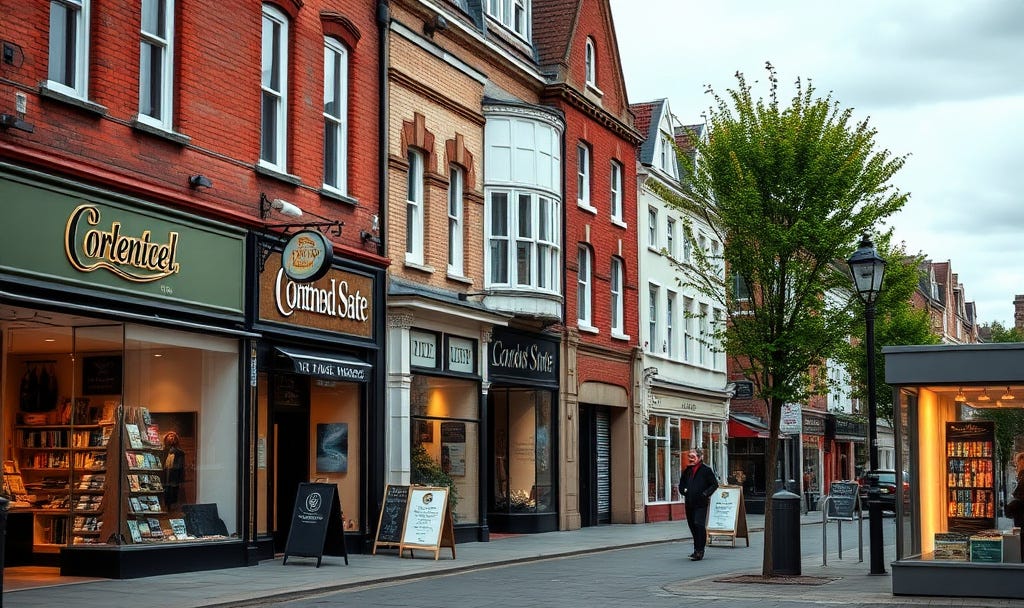 Climate change hits the high street
If these higher temperatures become the new normal retailers will be forced to spend big on air-conditioning, more efficient refrigeration and heat‑resistant infrastructure. Some already are, but the smaller retailers with margins squeezed to breaking point by the costs of doing business will struggle to afford any of the upgrades.
The business rates system also punish retailers for investing in improvements, because improvements meant to increase footfall also increase the rateable value of stores, which in turn pushes up business rates.
The heatwave economy
There are always winners and losers in any set of figures. The winners this summer have been online retailers, retail parks with easy parking and air‑conditioned big‑box stores. The losers on the other hand have been high streets already in jeopardy, small independents, and city‑centre shops relying on commuters.
The heatwaves didn’t just change the weather; they changed consumer behaviour. Will that behaviour veer back to the high streets when the temperatures drop? Will people have saved money even if they have gone online, and will that mean more spending capacity in the year? Even if that does turn out to be the case that could come too late for many smaller retailers.
Britain’s high streets are facing a new climate reality: When temperatures soar, shoppers stay home and click. While retail parks survive, high streets suffer.
Retailers are investing to cope but the business rates system punishes them for modernising, and unless the government fixes that system, heatwaves are likely to continue wiping out high street sales.
Share: