
Too hot to work: scorched summer burns billions off economy
18 August 2026
·
Liz Barclay
Share:
Britain's £4.4bn heatwave hangover
Britain's sizzling summer has come with a staggering price tag. By the end of July, extreme heat had already wiped an estimated £4.4 billion from the UK economy, and with temperatures soaring again this week, the bill is still climbing. It's not just sunburn that's hurting – it's productivity, transport, construction, farming and thousands of small businesses struggling to keep going.
For Britain's smallest firms, the heat is becoming more than an inconvenience; it's a serious business risk. Staff slow down, equipment overheats, jobs are cancelled and costs keep rising. If hotter summers become the norm, many fear the real cost won't just be measured in billions, but in businesses that simply can't afford to survive.
Feeling the heat: £4.4BN and counting
Extreme heat cost the UK £4.4 billion by the end of July. Our scorching summer hasn’t just had us in a lather, especially in drought hit England and Wales; it’s torched the economy according to new analysis from green thinktank Verdant.
With temperatures soaring again this week, experts warn the bill is still climbing. Verdant says June’s unseasonably hot weather alone cost £2.36bn, and July’s heat pushed the total to £4.4bn which is a staggering blow to productivity, infrastructure and business operations. We’ve still got August to factor in.
The thinktank says heatwaves are pulverising the economy because workers slow down or stop working, machinery and equipment overheat and transport systems fail. While indoor working conditions can become impossible, outdoors work grinds to a halt.
This week’s amber extreme heat warning is the fourth major heatwave since May with the Met Office saying the UK is on track for its hottest summer ever.
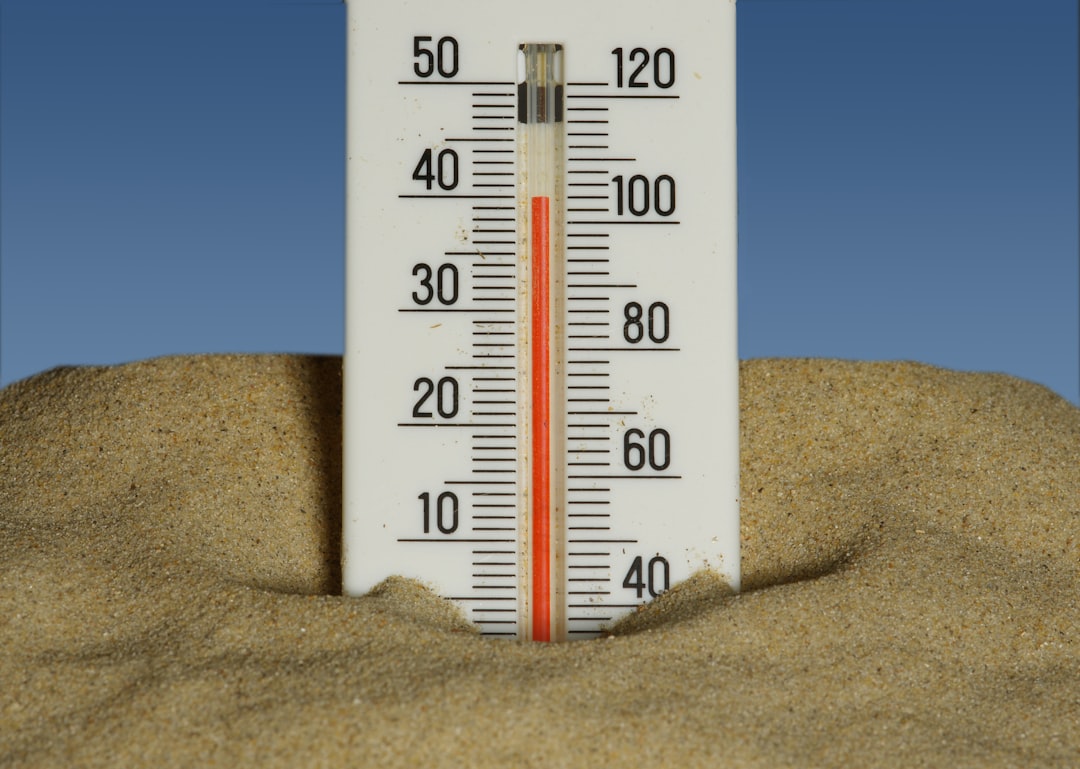 Small businesses are the silent casualties
Small and micro businesses, already battling rising costs and taxes, and fragile demand, are being hit hardest by the heat.
Productivity collapse: Allianz data show worker output drops 3% for every degree above 30°C. For small firms that’s devastating.
Lost working hours: A survey of 2,000 people found 3.6% didn’t work at all during the June heatwave and 87% suffered health impacts (dizziness, disrupted sleep, exhaustion). When people can’t work, small firms don’t earn.
Equipment failures: From overheated vans to shut‑down machinery, small firms struggle and don’t have the backup systems big companies rely on.
Higher costs: Fans, portable AC units, emergency repairs, cancelled jobs, all increase costs and reduce margins already stretched to breaking point.
This will get worse
If heatwaves continue intensifying at the same pace as the last decade, Verdant says the annual economic cost could hit £25bn by 2030.
Verdant and the London School of Economics’ Grantham Institute say the UK urgently needs to climate‑proof workplaces with ventilation, cooling, heat‑safe equipment and flexible hours.
They’re calling for a legal maximum working temperature. Unions want action at 24°C, and work stopped at 30°C for normal jobs and 27°C for strenuous jobs. They also say that workers forced to cut hours due to extreme heat shouldn’t lose pay.
These changes, if they were introduced, would add additional cost for businesses, which would need to invest to keep premises to those legal maximum temperature limits. Even more outdoor jobs would be likely to be delayed, postponed or cancelled in hotter weather. As ever, bigger businesses with deeper pockets would have a better chance of investing to make the changes work than small firms with few reserves. This is a debate that could run and run.
Drought, wildfires and inflation risks rising
Almost three‑quarters of England and all of Wales are now officially in drought. Economists warn extreme weather will:
push food prices up
disrupt supply chains
increase insurance costs
hit transport and logistics
raise inflation
For small firms, especially in retail, hospitality, construction and agriculture, the impact is already brutal.
Heatwaves are a business risk and now the figures show they’re costing billions. Unless the government steps in, the next decade could be even hotter and even more expensive.
Share: