
Why send wealthy tourists to Paris when they could spend here?
21 October 2026
·
Liz Barclay
Share:
Why send wealthy tourists to Paris when they could spend here?
Britain scrapped tax-free shopping for most overseas visitors in 2021 and business leaders have spent five years arguing that we effectively handed an advantage to Paris, Milan and other European shopping destinations. Now the Conservatives have promised to restore it if they return to government, citing research suggesting it could attract another 2.35 million visitors and £4.1 billion of additional tourism spending. It sounds like a policy for Bond Street and luxury brands, but the interesting question for Business111 is what happens to all that tourist money after the shopper leaves the designer store.
RESTORING TAX-FREE SHOPPING
Business leaders say scrapping the VAT refund ban would revive tourism, boost spending and support jobs. For small and micro businesses, the benefits would be immediate and widespread.
The Conservatives say they would restore tax‑free shopping for overseas visitors if they get back into government. Business leaders across retail and hospitality have welcomed the pledge, arguing that removing the tax break in 2021 pushed high‑spending tourists to Paris, Milan and Madrid and drained money from UK towns and cities.
Since the scheme was abolished, real visitor spending has fallen 8.7 percent and average spend per tourist has dropped from £848 to £786. The Centre for Economics and Business Research estimates that restoring tax‑free shopping could attract up to 2.3 million additional visitors and generate £4.1 billion in extra spending.
That spending doesn’t just land in London’s Bond Street. It lands in cafés, independent shops, small hotels, and with designers, tradespeople, and micro‑manufacturers.
TAX‑FREE SHOPPING
More tourism means more local spending
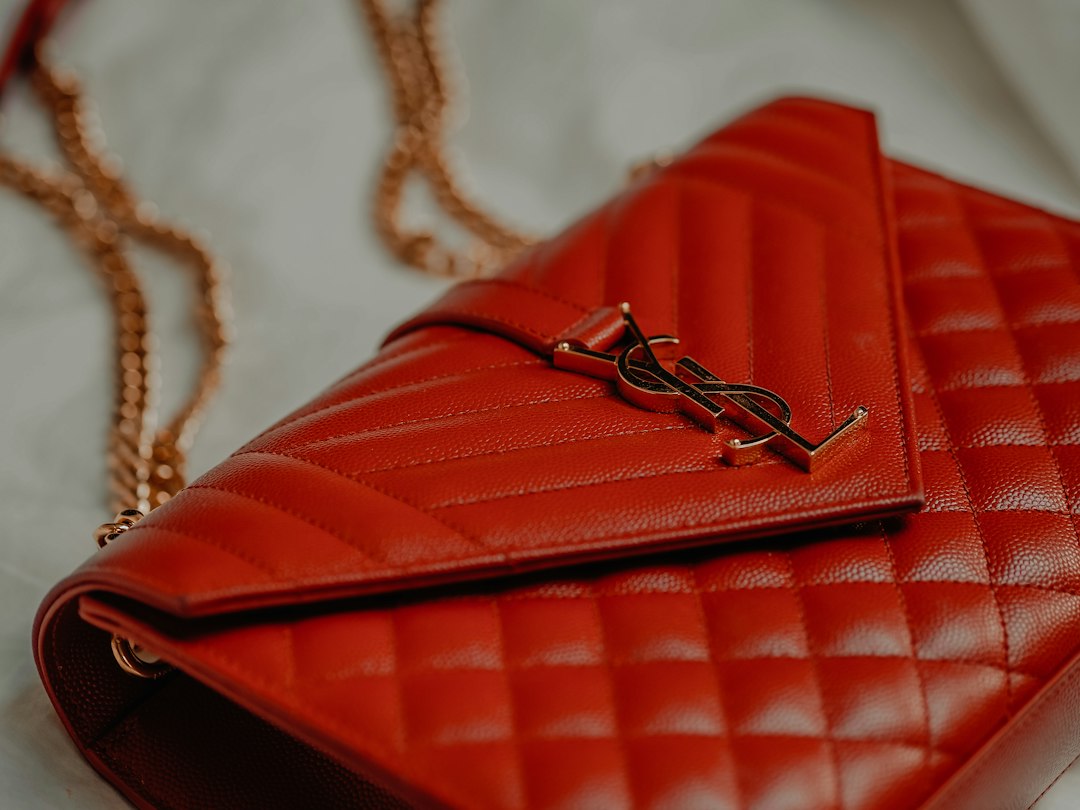 High‑spending visitors don’t just buy luxury goods. Every extra tourist supports dozens of micro‑businesses in the supply chain from local shops and hospitality places to tailoring and personal services.
Higher footfall for high streets
Independent retailers rely on footfall. Tax‑free shopping brings visitors back into • market and coastal towns, heritage cities and local high streets. More visitors mean more impulse purchases, more browsing, more cream teas and more bookings.
A boost for hospitality
Restaurants, pubs, bakeries, coffee shops and small hotels benefit directly from increased tourism. With hospitality facing rising costs and falling margins, tax‑free shopping could be one of the fastest ways to increase demand without raising prices.
More orders for small manufacturers and makers
Luxury retail is powered by micro‑manufacturers. Everything from leatherwork and jewellery, textiles and artisan food gets snapped up by curious tourists and packaging suppliers specialist printers benefit too.
When big retailers sell more, they order more from small suppliers. Tax‑free shopping strengthens the whole ecosystem.
Stronger local jobs
More visitors mean more part‑time and entry level jobs, apprenticeships, seasonal work and shifts. This is critical as youth unemployment rises and small businesses struggle to recruit.
A competitive UK tourism offer
The UK is currently the only major European destination without tax‑free shopping. That puts small businesses in the UK at a disadvantage and restoring the scheme would help the UK compete with Paris, Milan, Madrid, Berlin and Amsterdam.
Strategies
Promote “tax‑free eligible” products: micro businesses with clear signs and simple messages can grab tourist money.
Partner with hotels and tour operators: small businesses can build relationships with boutique hotels, hostels, tour guides and travel agencies and offer exclusive discounts or bundles for visitors.
Improve digital visibility: tourists search online before they arrive. Small businesses could update Google Maps listings, add multilingual descriptions, highlight local products and promote tax‑free eligibility if applicable. Visibility drives footfall
Train staff to engage with visitors with basic greetings in multiple languages, clear explanations of products, easy payment options and fast, friendly service. Small businesses that feel welcoming get repeat tourist visitors.
Work with local councils and BIDs
Business Improvement Districts and councils often run visitor trails, shopping maps, seasonal events and promotional campaigns and small businesses can join in.
Restoration and Resilience
Restoring tax‑free shopping would help the UK’s everyday economy rather than just luxury retailers. More visitors mean more spending, more jobs and more resilience for small businesses facing rising costs and shrinking margins.
If the scheme were to be brought back small businesses could be at the heart of the recovery and the UK could reclaim its place as a world‑class shopping and tourism destination.
Share: