
Wildfire wrecked your business? Here's what to do first
19 August 2026
·
Liz Barclay
Share:
Don't let the flames finish your business
Watching your business go up in smoke is every owner's worst nightmare. As wildfires destroy homes, workshops, shops and offices across parts of the UK, many small business owners are facing one urgent question: how do you get back on your feet before your customers disappear?
The good news is that acting quickly can make all the difference. From contacting your insurer and securing your premises to finding temporary workspace and keeping customers informed, the first few days after a fire can determine whether your business recovers in weeks – or closes for good.
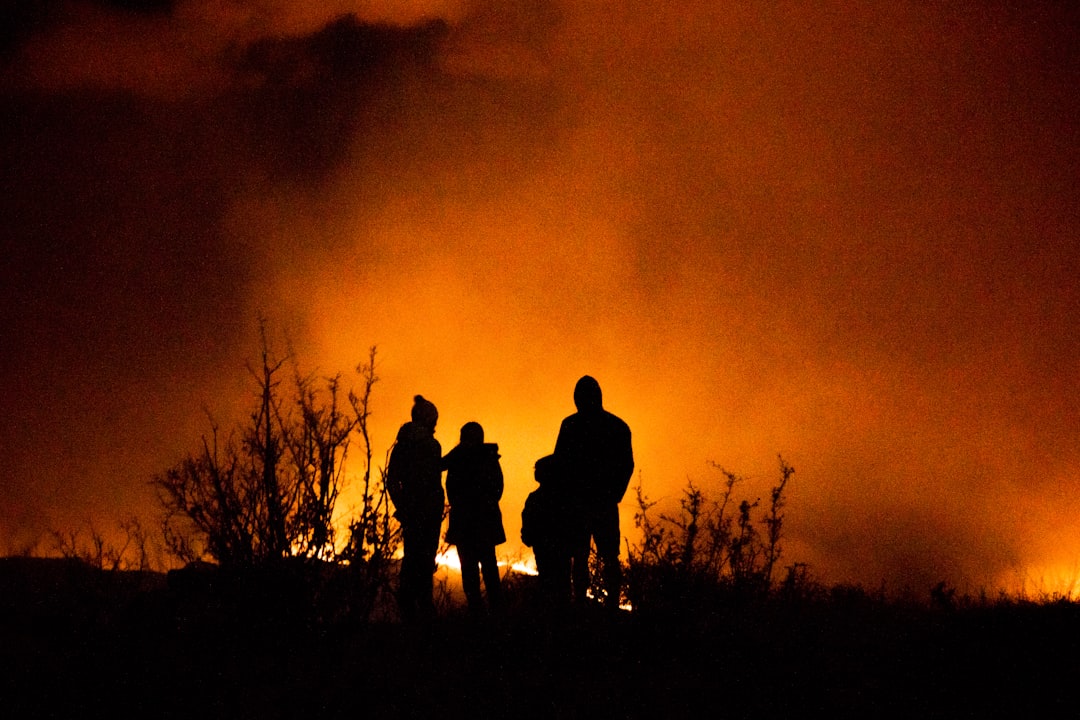 WHEN WILDFIRES HIT YOUR BUSINESS
Homes and business premises have been destroyed in UK wildfires. Our hearts go out to anyone affected.
Wildfires aren’t just a rural problem anymore. Businesses, shops, workshops, offices and home‑based owners have all been hit and there’s no business that can afford to be off grid for long. Getting up and running again is the priority.
Contact your insurer immediately
This triggers your claim. The loss adjuster is the first person you’ll see, and you need to go through your policy with a fine-tooth comb to make sure what’s covered and what you can and can’t claim for before you start spending money. You may have temporary premises cover, business interruption cover and cover for emergency payments.
Tell the insurer if the building is unsafe, what stock/equipment is damaged, whether or not you can you cannot trade and need to relocate temporarily.
Do not start repairs until the insurer agrees.
Secure the site: Insurers expect you to prevent further damage. This may include boarding up, fencing, tarping, removing hazards, preventing theft or vandalism. If the fire service says do not enter, follow that instruction. You also need to make sure other people can’t wander onto the site and get hurt.
Document everything: Take photos and videos of structural damage, destroyed stock, damaged equipment, burnt documents, smoke/water damage, lost tools or machinery. You will need that evidence when you come to make a claim. It’s easy to forget these steps when all around you it in turmoil.
Check your insurance cover types: most small businesses have some or all of:
Commercial property insurance
Contents insurance
Stock insurance
Equipment/machinery cover
Business interruption insurance
Loss of income cover
Alternative premises cover
Employee wage cover (in some policies)
Business interruption is the big one. It can cover lost revenue, temporary premises and equipment, emergency staff costs, relocation and marketing to tell customers you’ve reopened. It didn’t work well for some businesses during the Covid pandemic a few years ago, but it should work well in this situation.
Arrange temporary premises: If your policy includes it, you can claim for short‑term office/workshop rental, pop‑up retail space, co‑working desks, storage units, temporary equipment hire, emergency IT replacement. All this This helps you restart trading quickly. If you’re at a loss as to where to start to find everything you need ask business support at your local authority or your local Enterprise Agency, Chamber of Commerce or any membership organisations or business network you belong to.
Replace essential equipment: you can usually claim for everything from laptops and tools to furniture and uniforms. Insurers may offer new‑for‑old or market value check your policy.
Tell your customers where you are. They will be sympathetic and stick by you as long as they know you open for business. The last thing you need is them going elsewhere.
If you work from home and your home is uninhabitable things can get complicated. Home insurance covers the building and contents, and you can claim for structural damage, smoke/water damage, destroyed furniture and personal items, temporary accommodation and emergency repairs as well as the home contents like laptops etc.
However, if you run a business from home, home insurance usually does NOT cover business equipment unless you’ve told the insurer you are working from home. If business equipment isn’t covered under home insurance, check to see whether you have taken out business contents insurance, business equipment cover, portable equipment cover or stock insurance.
If your home is uninhabitable, insurers typically cover hotel stays, rental accommodation and emergency living costs. But if you cannot work from home because it’s unsafe, you can often claim for temporary workspace too, under business interruption insurance if you have it, not home insurance.
Check ever policy and talk to your insurer.
What you can’t claim: Most insurers will NOT cover lost future sales, lost opportunities, emotional distress, upgrades (you can’t replace a 10‑year‑old laptop with a top‑end MacBook unless your policy is new‑for‑old) or business losses if you didn’t tell them you ran a business from home.
Wildfires are devastating but with the right cover and the right claims, small and micro businesses can get back on their feet far faster than most owners realise. The Prime Minister has asked the insurers to get on the case as quickly as possible. Speed is the most important thing. It’s often the delay caused by the insurers that causes most affected businesses to lose their customers to competitors. That’s when it’s really difficult to rebuild.
Share: